




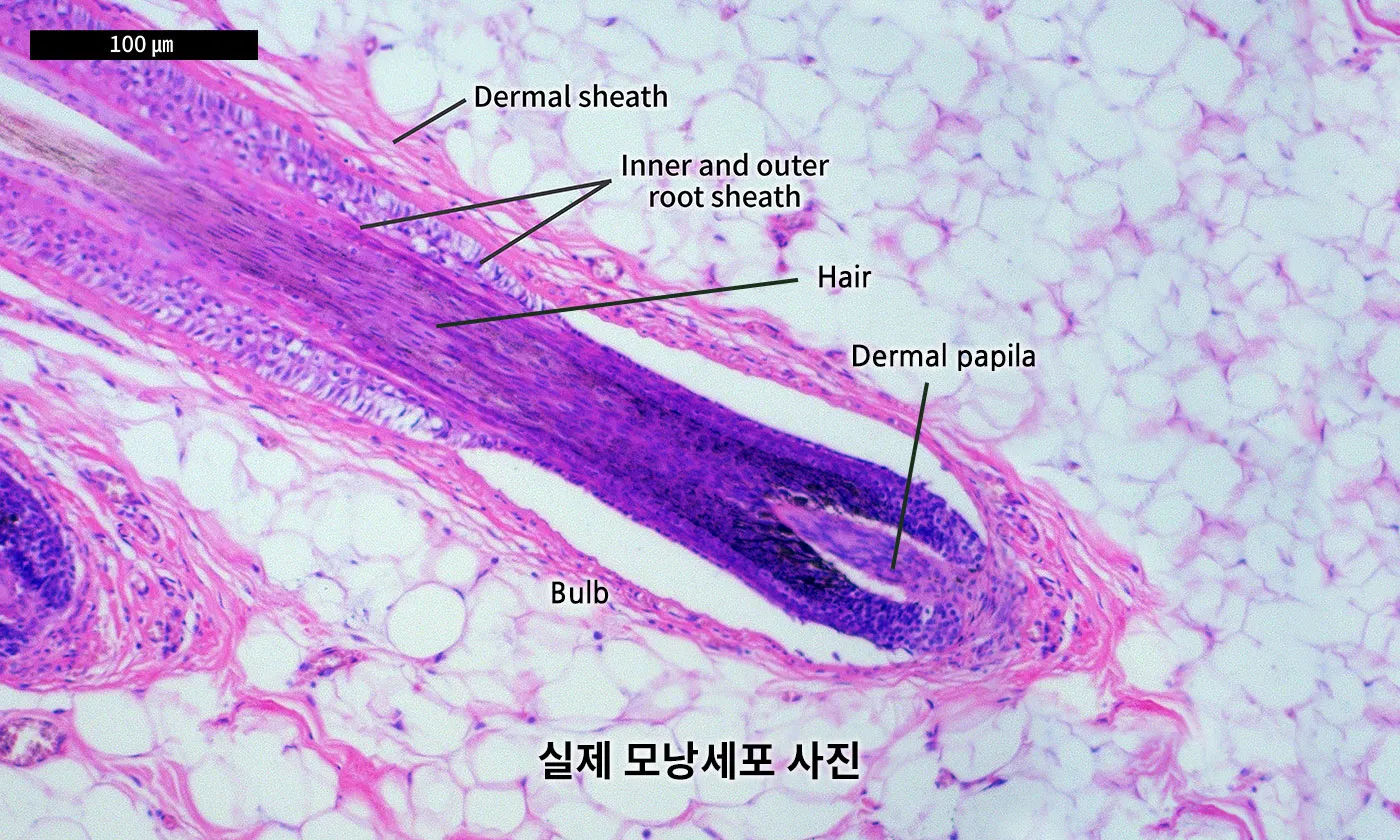



01.Do they really grow all the way?
Hair follicle tissue is transplanted.
Hair transplantation involves transplanting the hair follicle tissue that produces hair, not the hair itself. When the tissue is successfully transplanted, the hair grows almost fully, and the results last a lifetime.

02.I want to do it without anyone knowing.
It looks natural even from 10cm away.
To achieve this, it must: 1) heal quickly, 2) produce natural-looking results, and 3) leave no visible scars. At Maxwell, swelling subsides within two days, allowing you to return to work or school. The results look so natural that others won't notice. We also employ a special technique to ensure scars remain invisible.
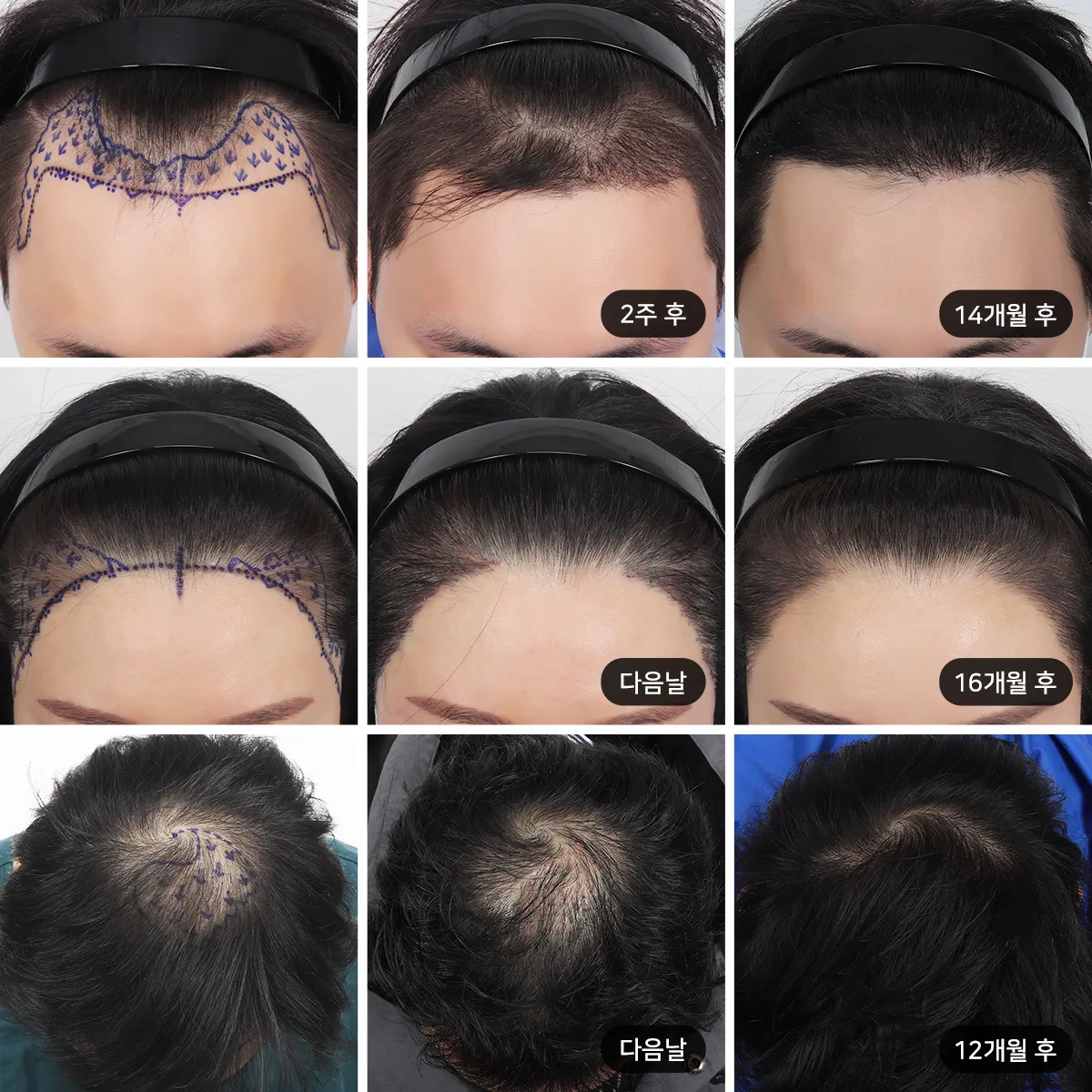
It recovers quickly and naturally.
03.What are the costs?
It depends on the parameters and method.
Cost varies depending on the number of grafts and the method used. The choice of graft count and surgical technique is extremely important. Even if they appear similar at first glance, accurately diagnosing factors such as how much further hair loss is likely to progress and which method can be expected to yield better results is essential to prevent the risk of revision surgery and ensure long-term satisfaction.
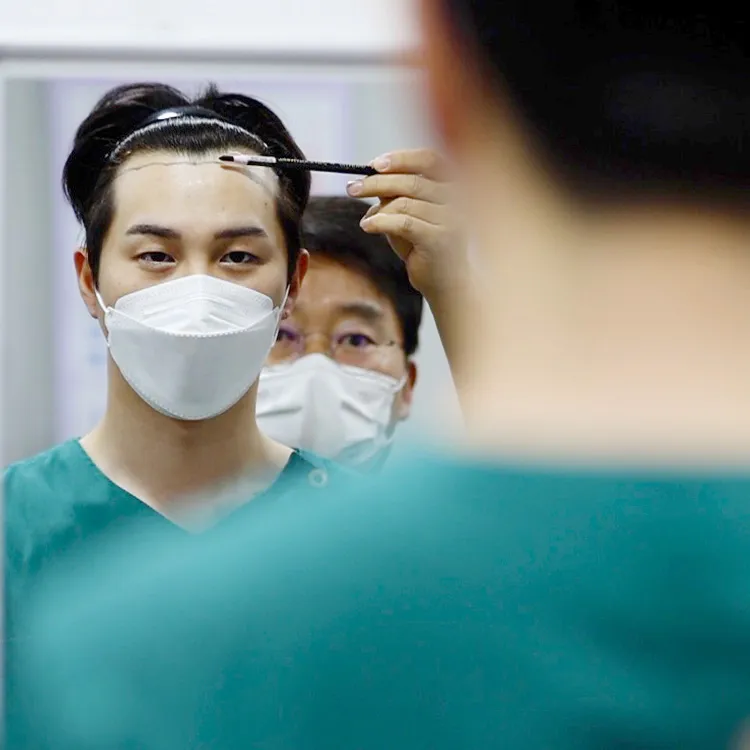
An accurate diagnosis is essential for making the right choice.
04.What should I do if hair loss continues after transplantation?
We have 15 years of accumulated expertise.
This part is crucial. Only by accurately diagnosing and preventing post-transplant hair loss progression can you maintain satisfactory results long-term. Maxwell accurately predicts future progression based on data from hundreds of thousands of patients accumulated over 15 years.
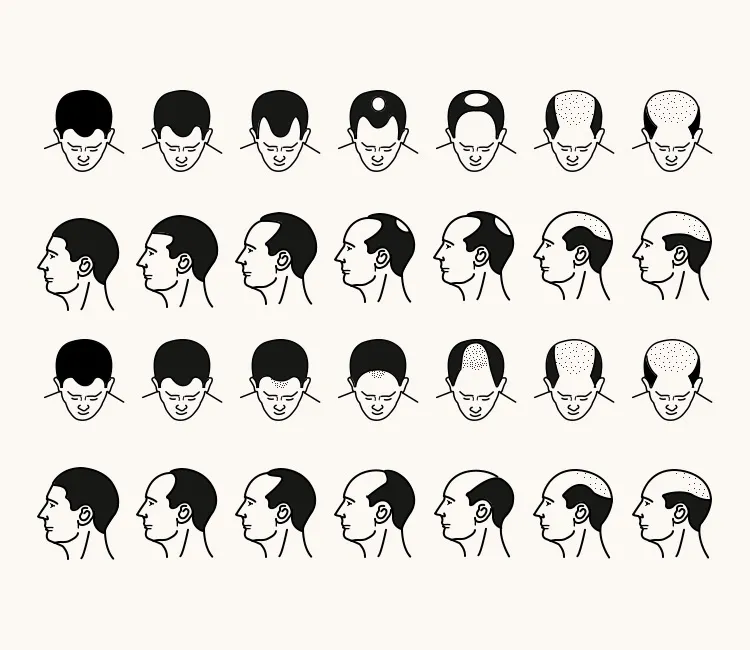
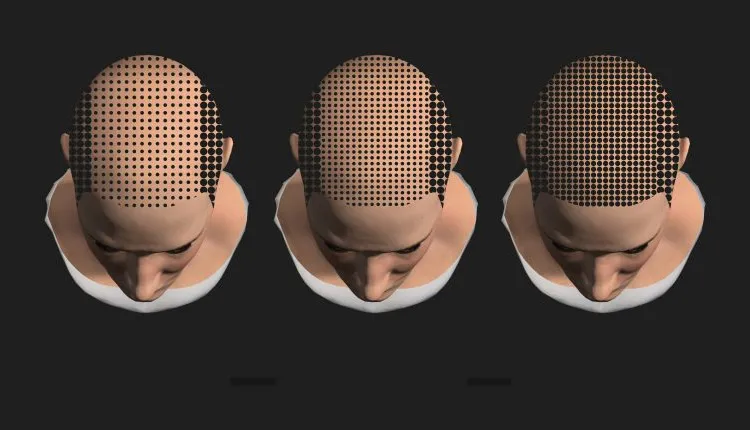
Progression of Hair Loss
05.If hair has thinned, is a hair transplant (
) sufficient?
Treatments to thicken hair are also important.
Visually, thickness has a greater impact than quantity. When undergoing treatments to thicken hair, you can expect significantly more satisfying results at a lower cost, potentially eliminating the need for transplantation or reducing the number of grafts required.
06.Incisional or non-incisional—which is better?
We must find the appropriate method.
There is no difference in results. The choice should be made in the most advantageous direction by comprehensively considering the number of grafts to be transplanted , the elasticity and density of your scalp, and your personal preferences. For some individuals, the strip method may be more suitable, while for others, the non-strip method may be preferable. Find the perfect method for you through consultation.
07.How many stitches can I make?
Up to an average of 10,000 units is possible.
The average total number of grafts a person can transplant is about 10,000. While this may seem like a large number, since revision surgeries are typically limited to one or two times based on 3,000 to 4,000 grafts, a cautious approach is necessary.
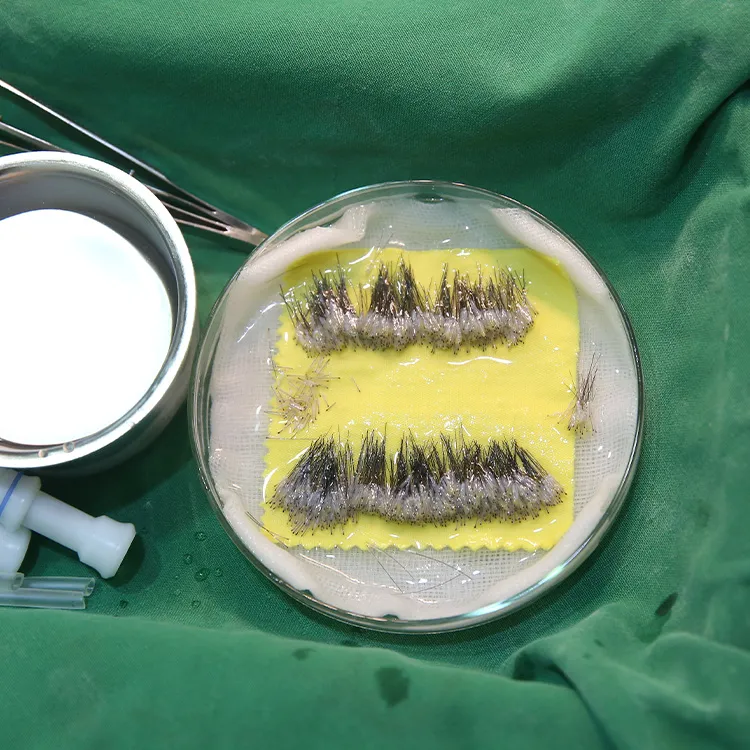
Mass transplantation should be approached with caution, considering the possibility of revision surgery.
08.M-shaped hair transplant, crown hair transplant.
Is there a difference?
M-shaped hair transplantation involves creating a new hairline, so the key is to maximize naturalness through high density and a gradient effect. Design can also make the face appear smaller or create a strong or soft impression. Furthermore, since further hair loss is possible, preventing its progression or preemptively transplanting hair to maintain long-term satisfaction is also important.
Maximizing volume at the crown is key. Since grafts are placed between existing thinning hair, delicate transplantation to avoid damaging the existing hair is also crucial. The most important factor is determining whether thinning hair can be made thicker. Visually, thickness matters more than quantity.
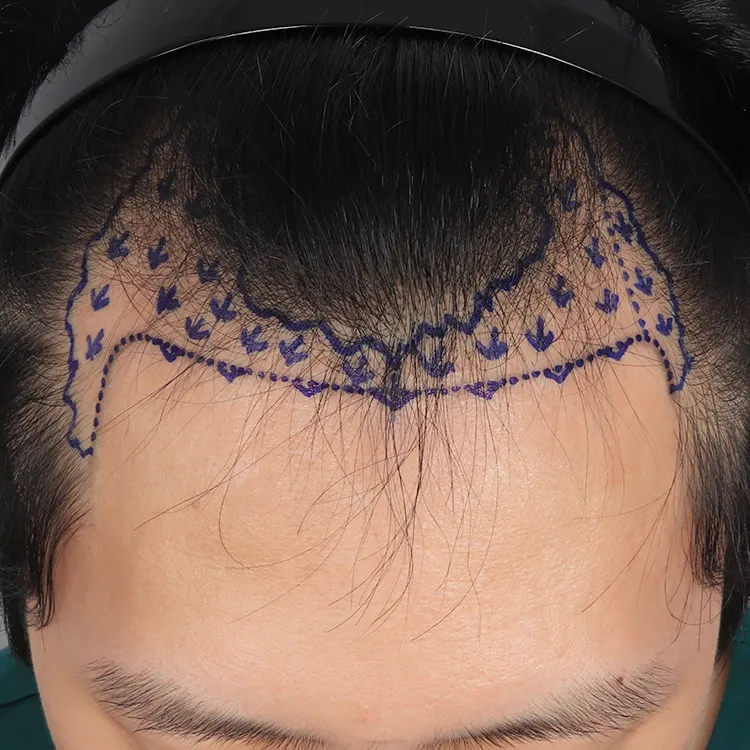
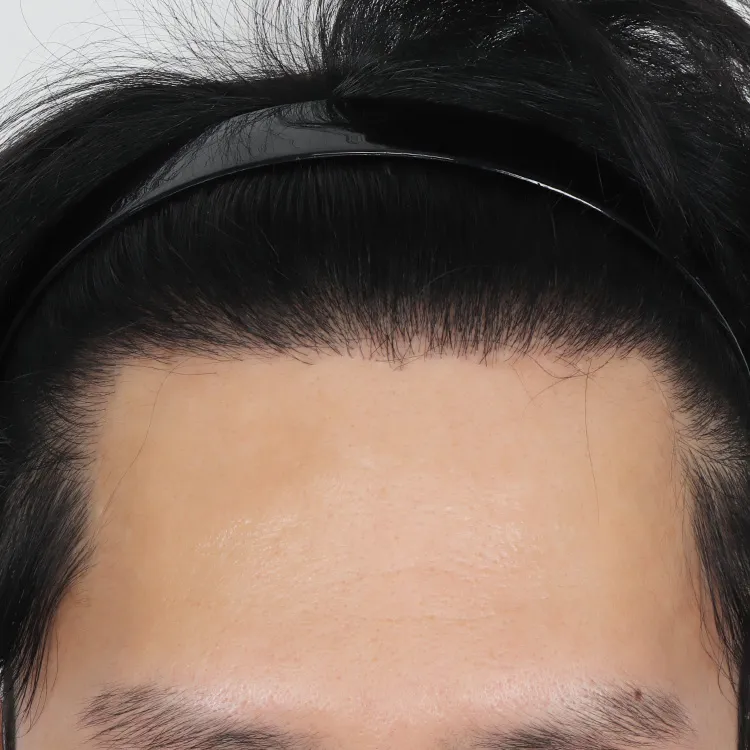
M-shaped hair transplant 24 months later
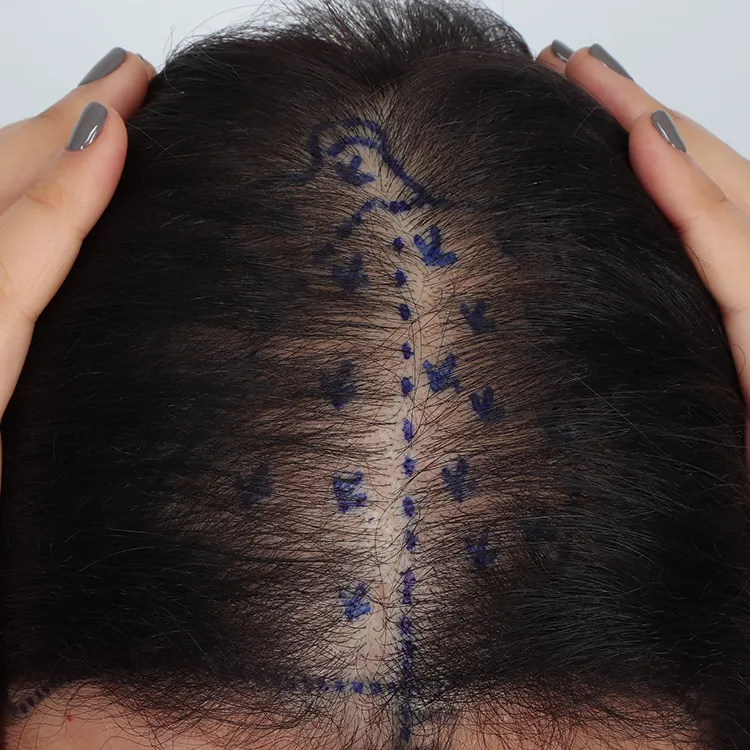
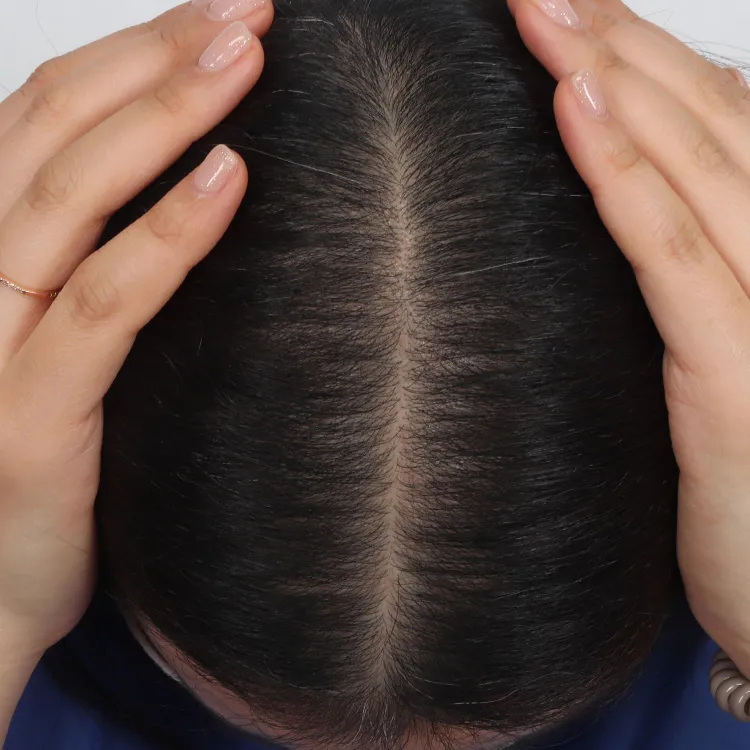
12 months after crown hair transplant
09.What if the results aren't good?
If the diagnosis and surgery were performed properly, poor outcomes are rare. If you follow the medical team's diagnosis carefully, you need not worry about the results.