



Get a definitive cure with 12 sessions of intensive treatment.
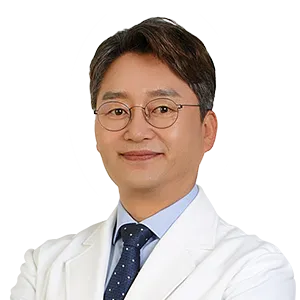
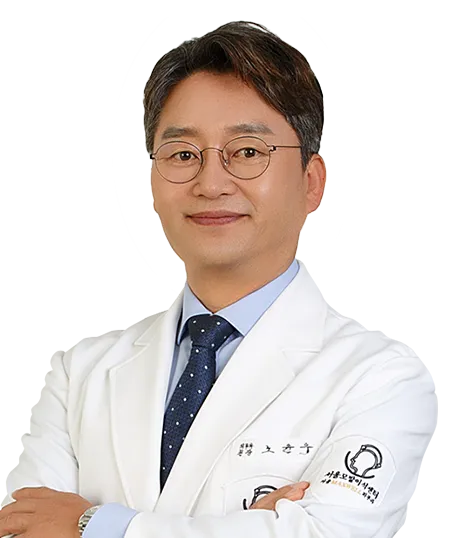
Dermatologist / Doctor of Medicine
Maxwell Dermatology, Dr. Yoonwoo Noh
1.
The more you treat it, the better it gets.
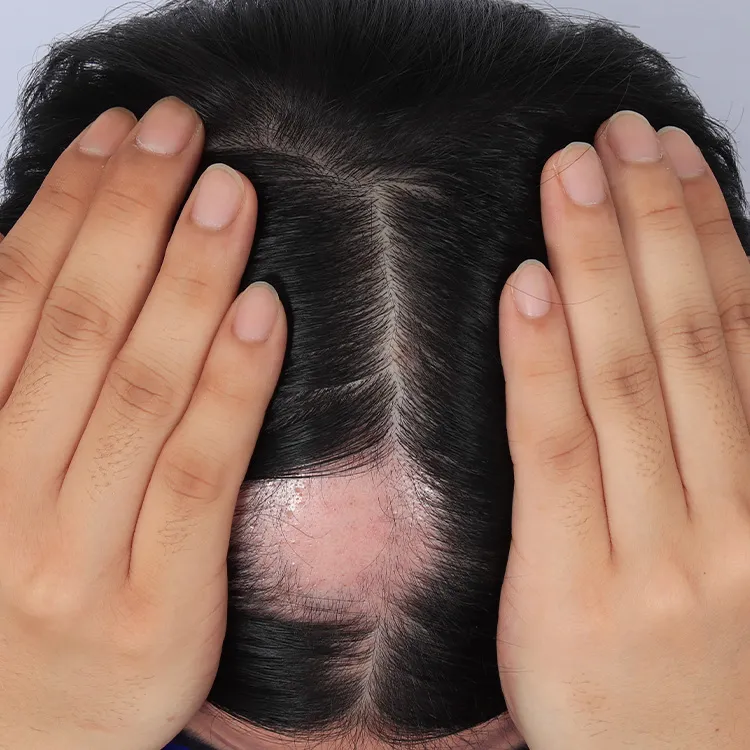
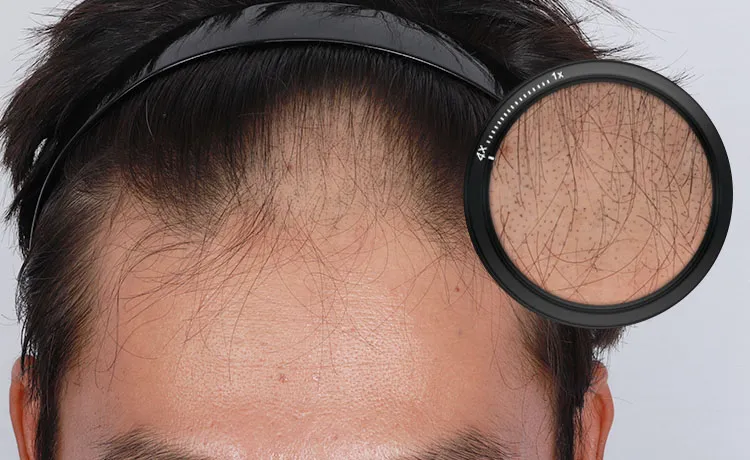
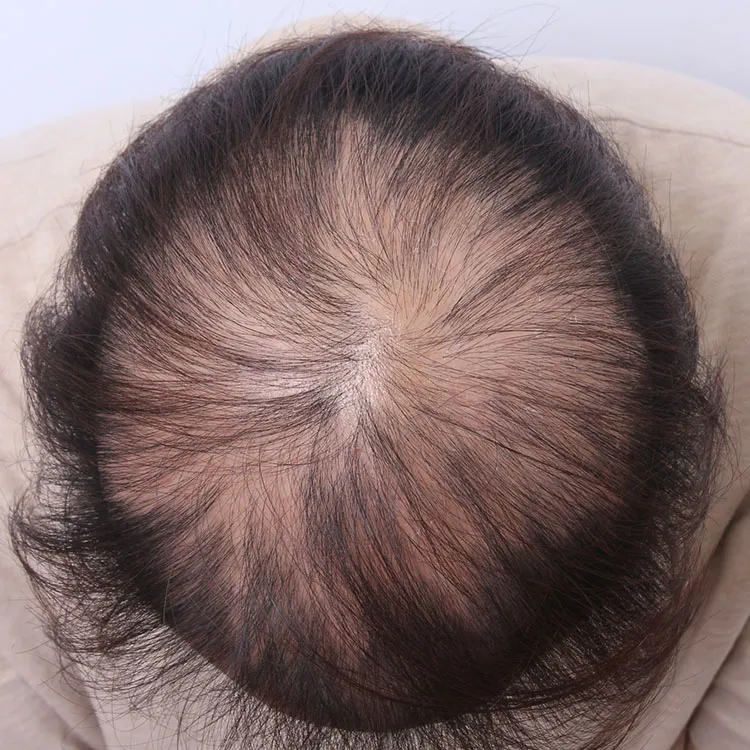
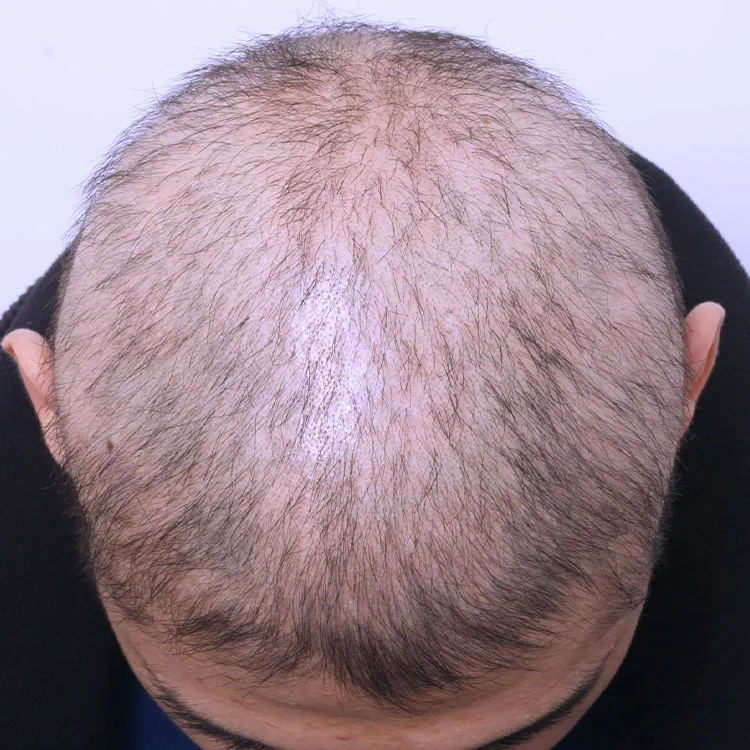
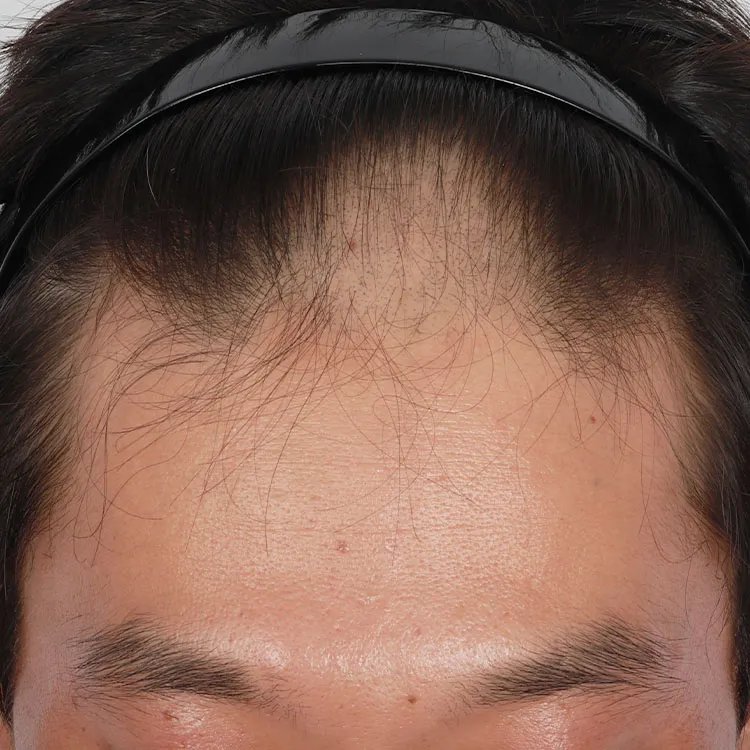
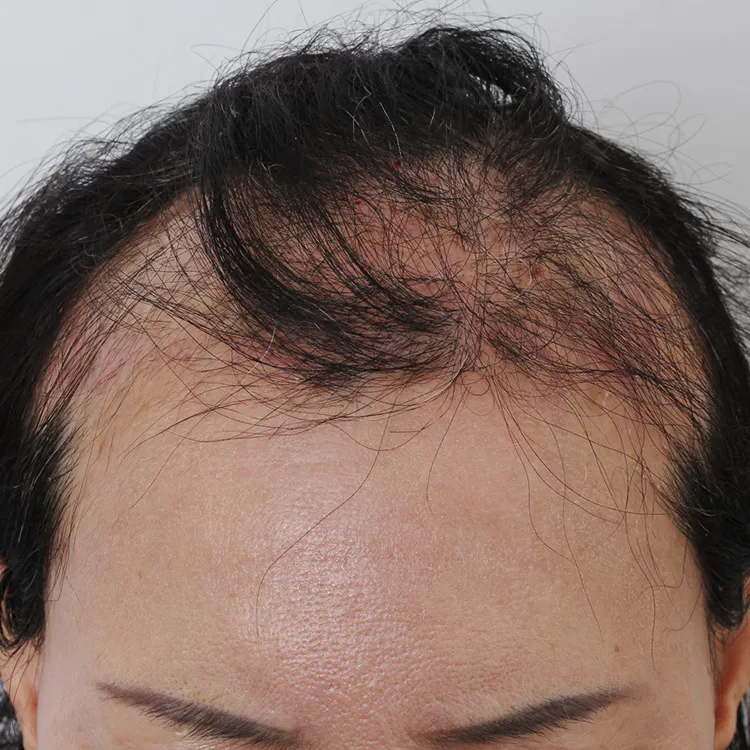
Before treatment
The area of alopecia areata is clearly observable.
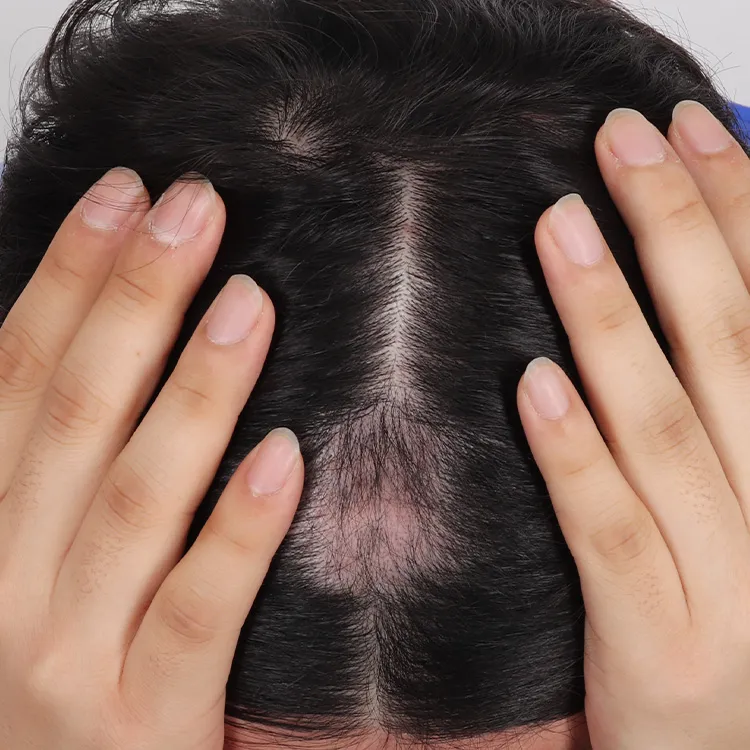
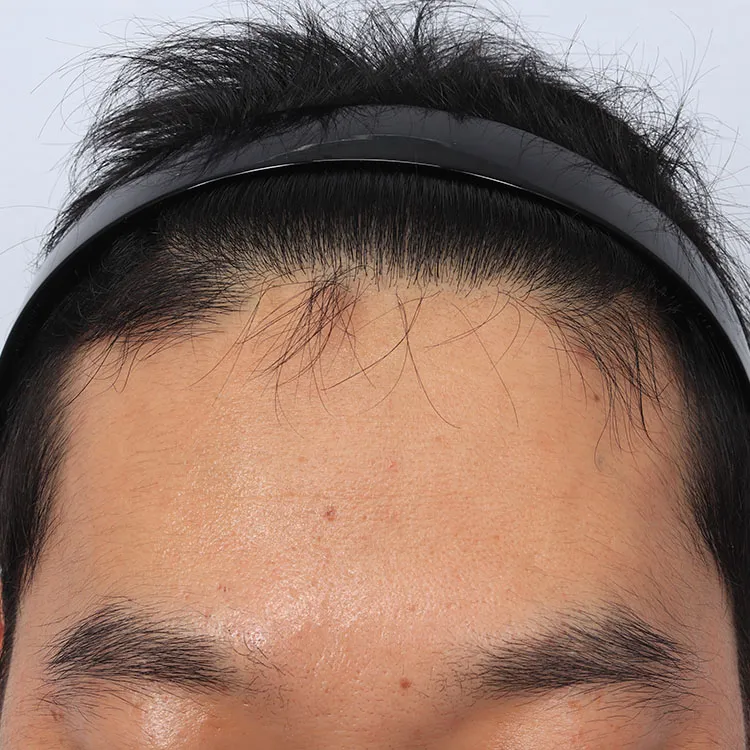
After 8 treatments
By eliminating the cause of hair follicle loss, fine hair is now growing.
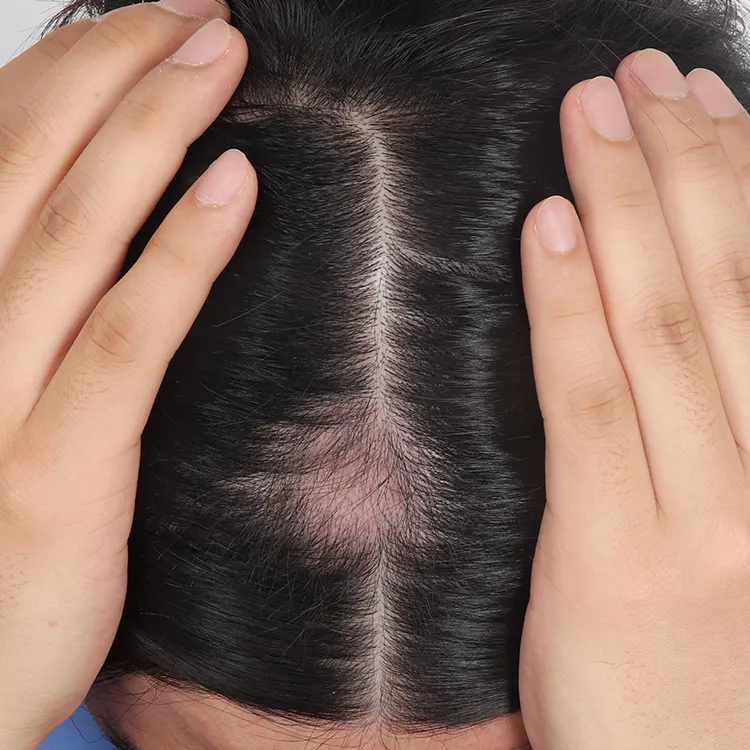
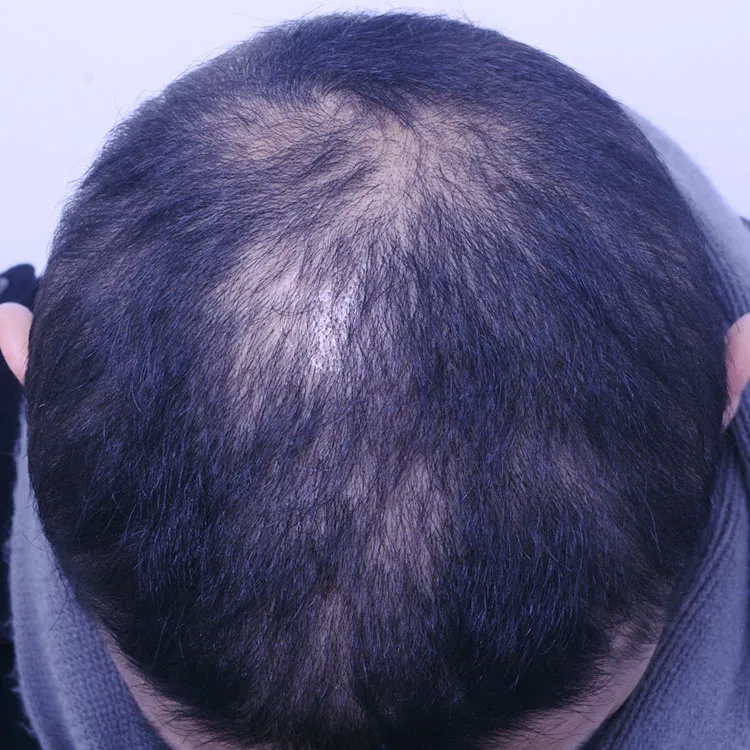
After 12 treatments
After identifying the cause, treatment to promote hair growth is gradually leading to recovery.
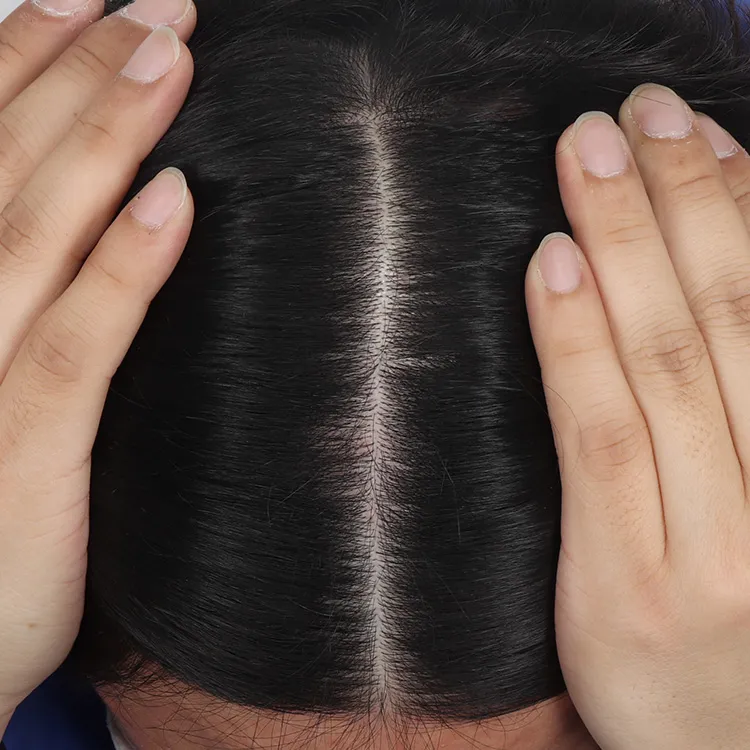
After 14 treatments
Hair thickness and volume have been restored to a healthy state, and treatment has been completed.
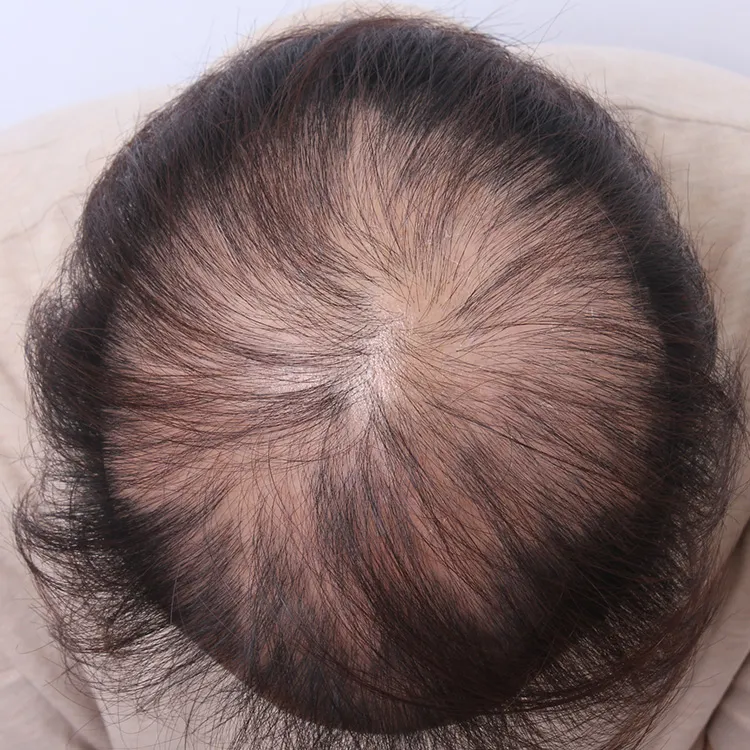
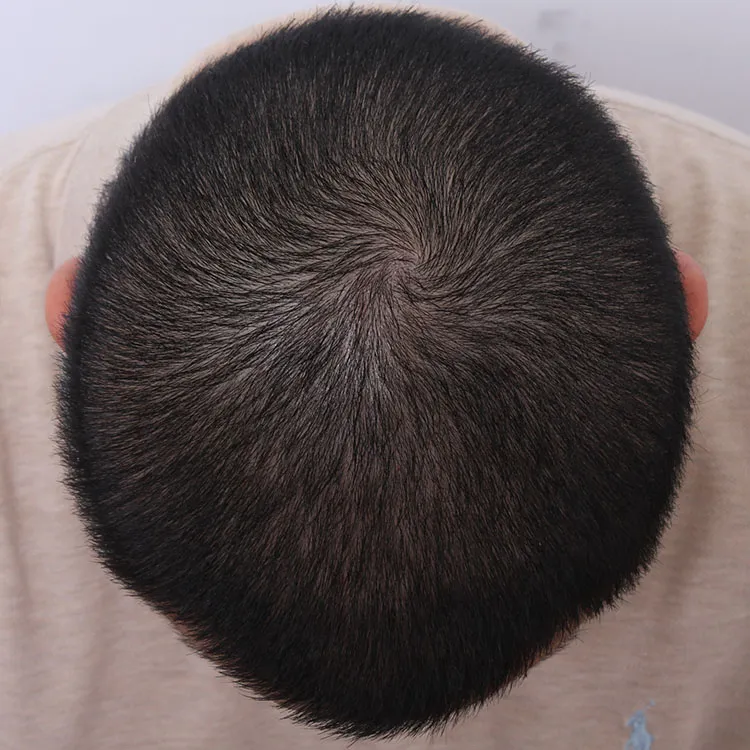
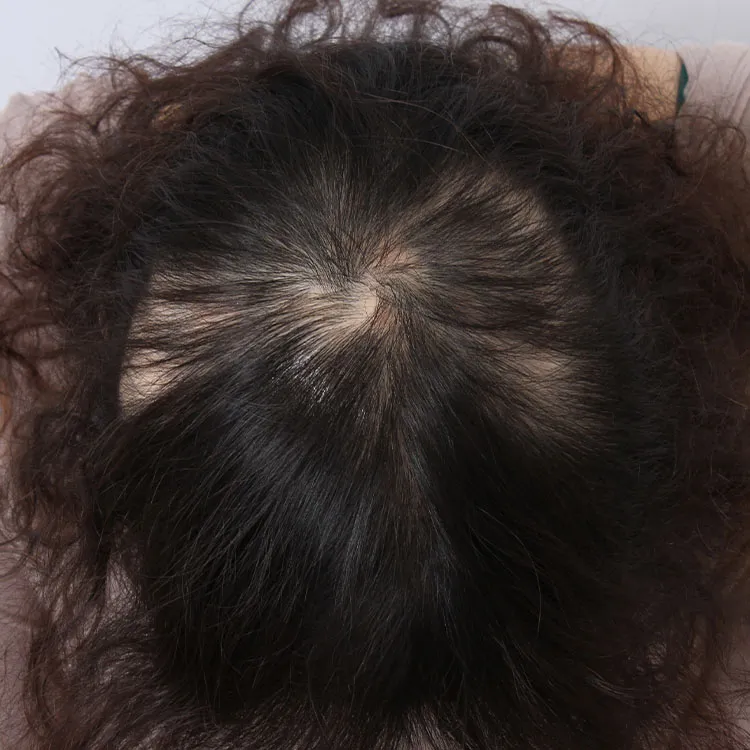
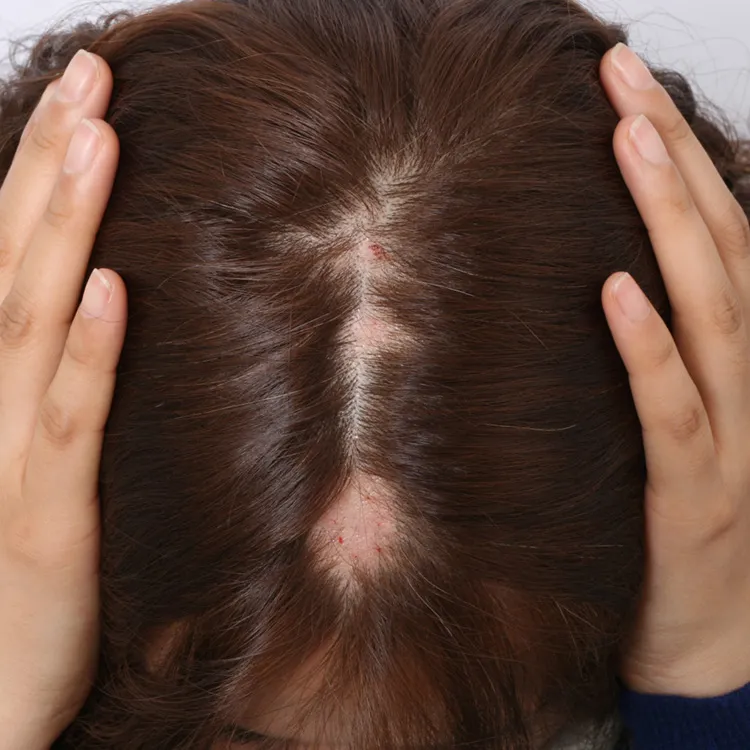
Before treatment
Overall hair loss has progressed, but it is not general hair loss; it is alopecia areata.
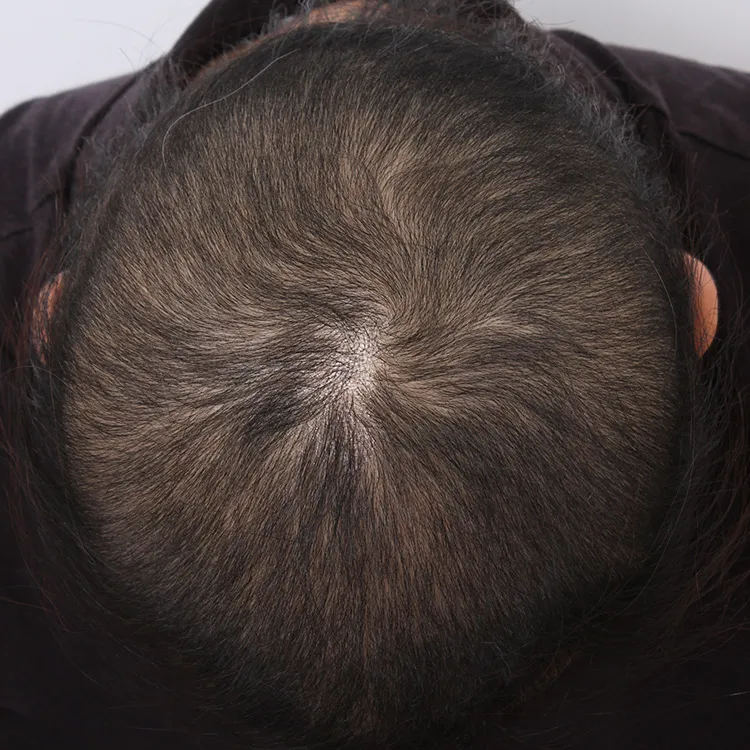
After two treatments
After receiving the proper treatment, hair loss has decreased and baby hairs are growing back after just two sessions.
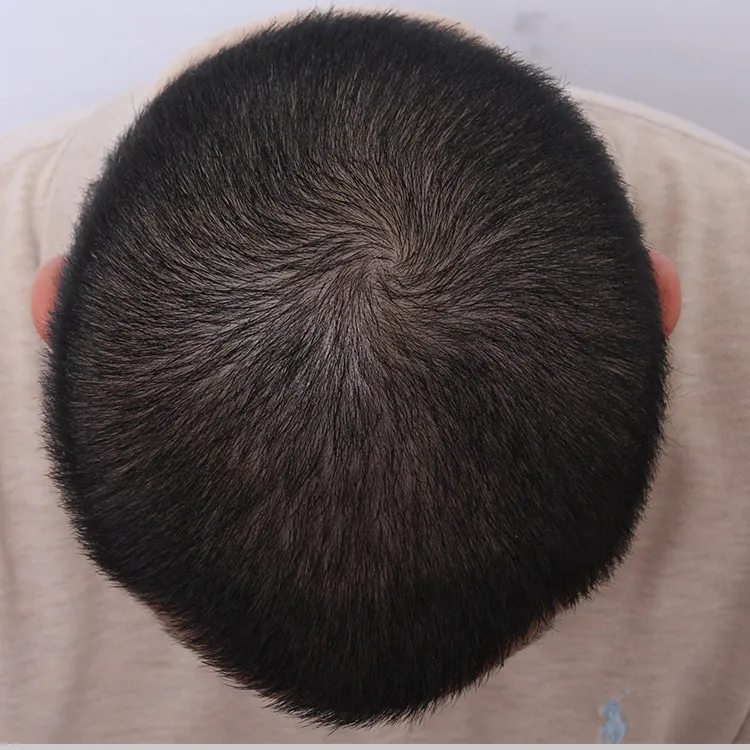
After 5 treatments
As the immune system normalizes, recovery is progressing rapidly.
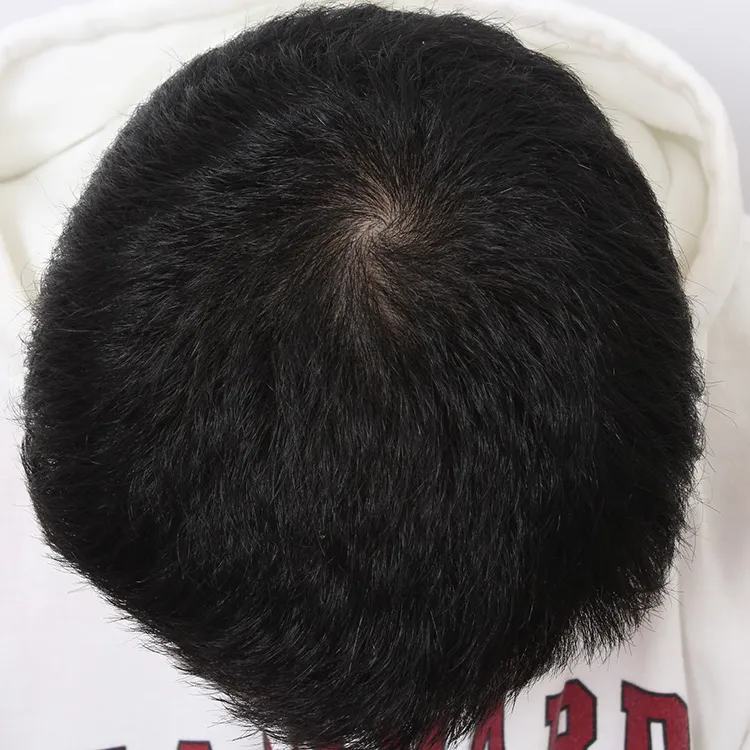
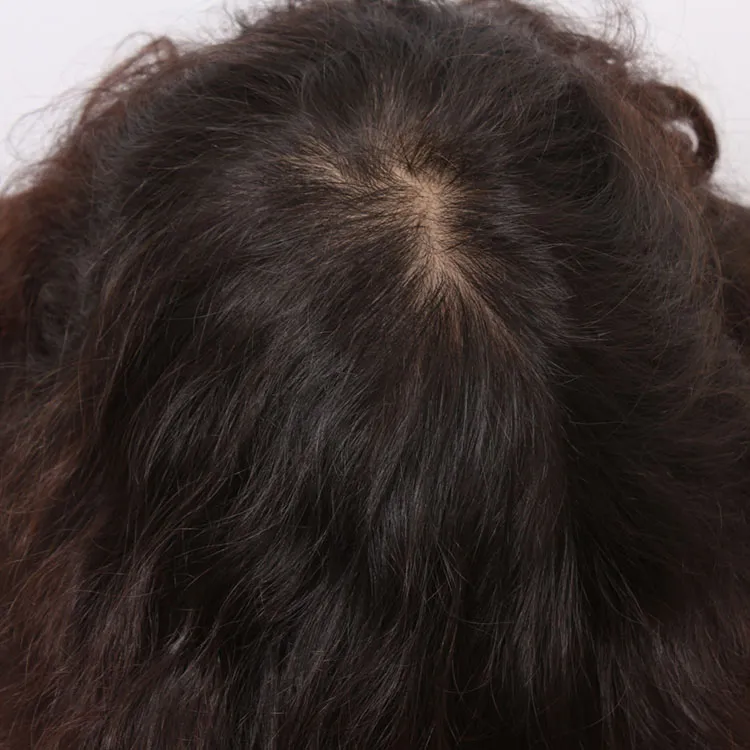
After 10 treatments
The hair thickness has fully recovered to its pre-alopecia areata state.
2.
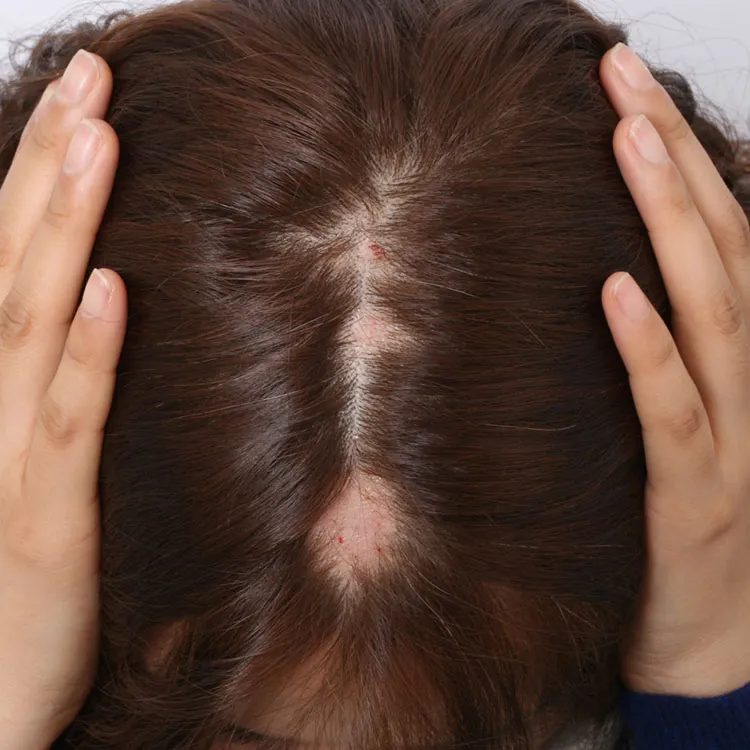
Unique Symptoms of Alopecia Areata
Unlike gradual, common hair loss, alopecia areata
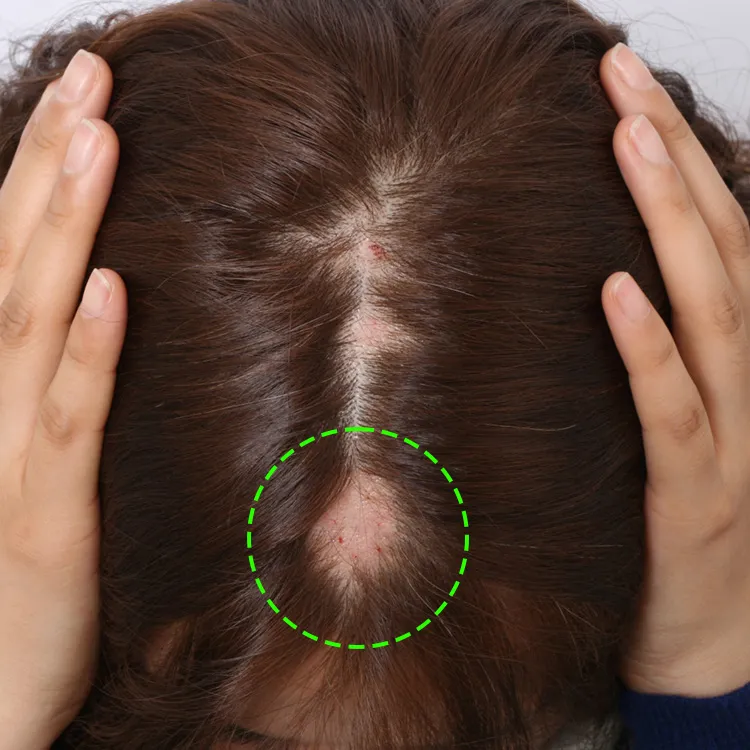
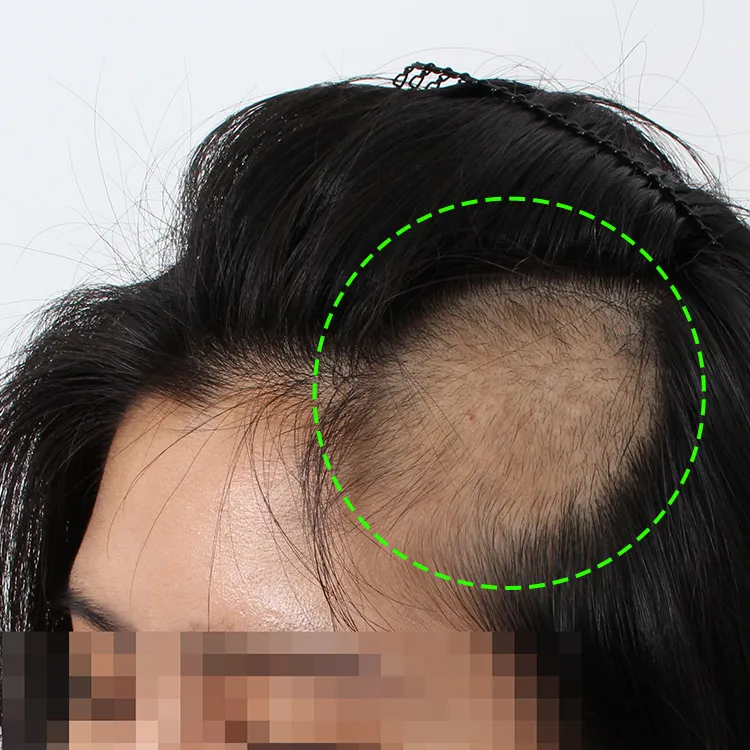
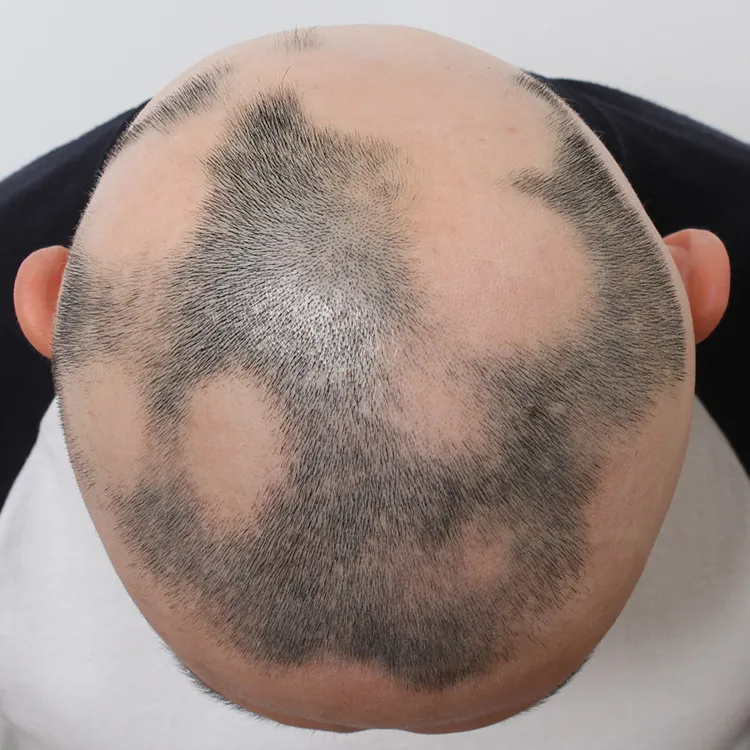
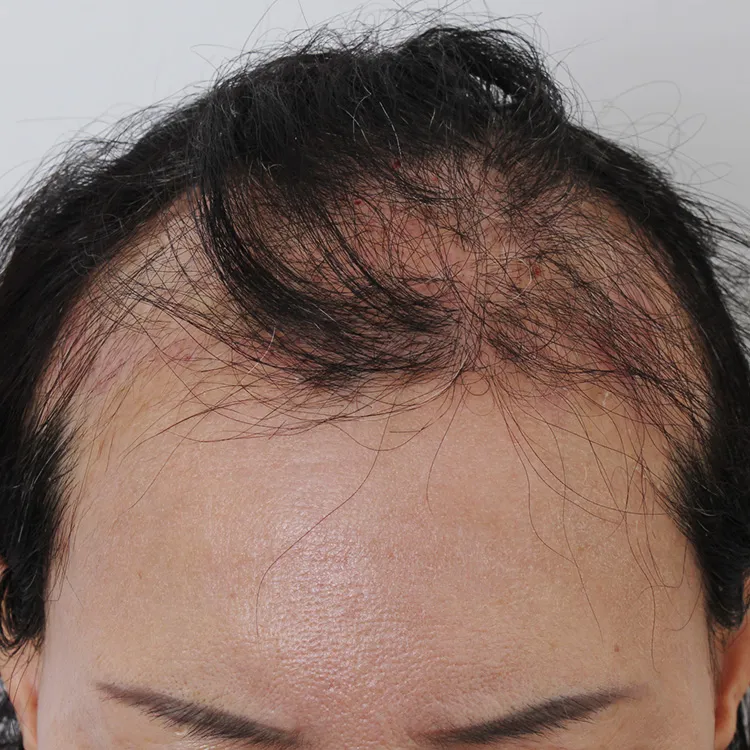
3.
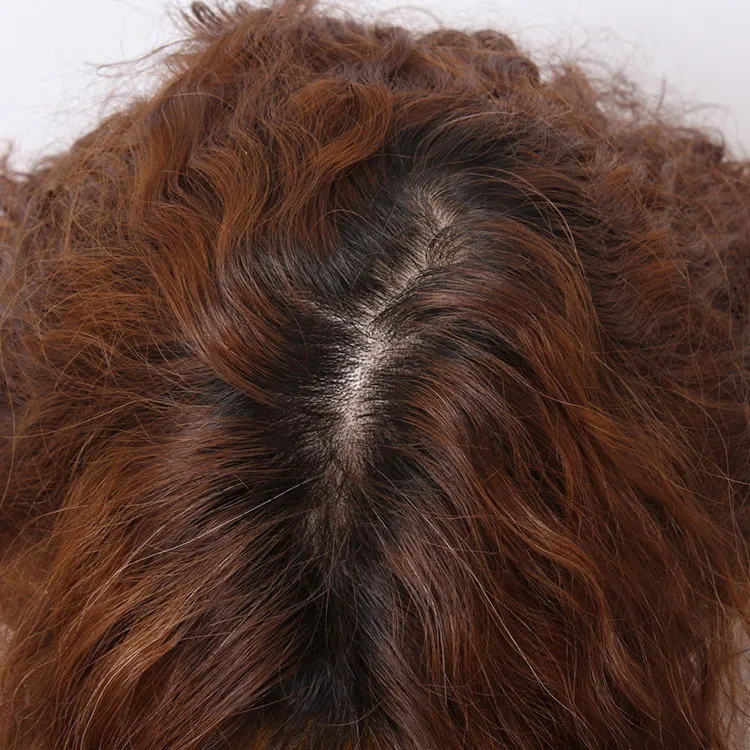
Unique Causes of Alopecia Areata
Unlike typical hair loss, alopecia areata
Dr. Noh Yun-woo's
Hair Loss Treatment Tip!

Alopecia areata
4.
Alopecia areata requires specialized treatment at stage 2
.
Alopecia areata treatment is conducted in two stages.
1)
2) Attacked
Alopecia areata
PrincipleAutoimmune Disease
TreatmentCooling therapy, steroid injections,
immunotherapy (DPCP, DNCB), etc.
Hair Follicle Regeneration
PrincipleAutoimmune Disease
TreatmentCooling therapy, steroid injections,
immunotherapy (DPCP, DNCB), etc.
Dr. Noh Yun-woo's
Hair Loss Treatment Tip!
To prevent the spread and recurrence of alopecia areata,
5.
Meet the dedicated medical team at
who are serious about hair loss.
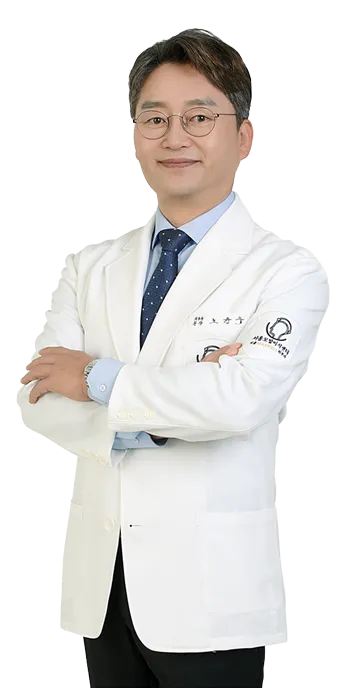

Dr. Noh Yun-woo, Chief Director
Doctor of Medicine
Dermatologist
Thoracic Surgeon
Top 1% of South Korea's Cosmetic Surgery Specialists
The Best of the Best Hair Transplant Specialist
U.S. Hair Transplant Specialist
Director of the Korean Hair Research Society

Director Lee Seung-jong
Plastic Surgeon
Graduated from Yonsei University College of Medicine
Visiting Professor, Department of Plastic Surgery, Severance Hospital
Member of the Korean Hair Restoration Society
Full Member of the Korean Society of Plastic Surgeons
Full Member of the Korean Society of Craniofacial Plastic Surgery
UPMC Pittsburgh Medical Center Hospital Training Program
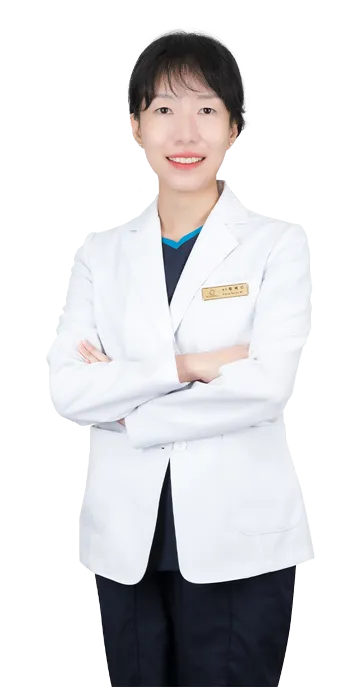
Director Hwang Hye-jin
Specialist
Completion of Residency at Chungnam National University Hospital
Obtaining Specialist Certification at Chungnam National University Hospital
Full Member of the Korean Hair Restoration Society
Lifetime Member of the Korean Laser Dermatology and Hair Restoration Society
Former Director of Eco Hwang Clinic
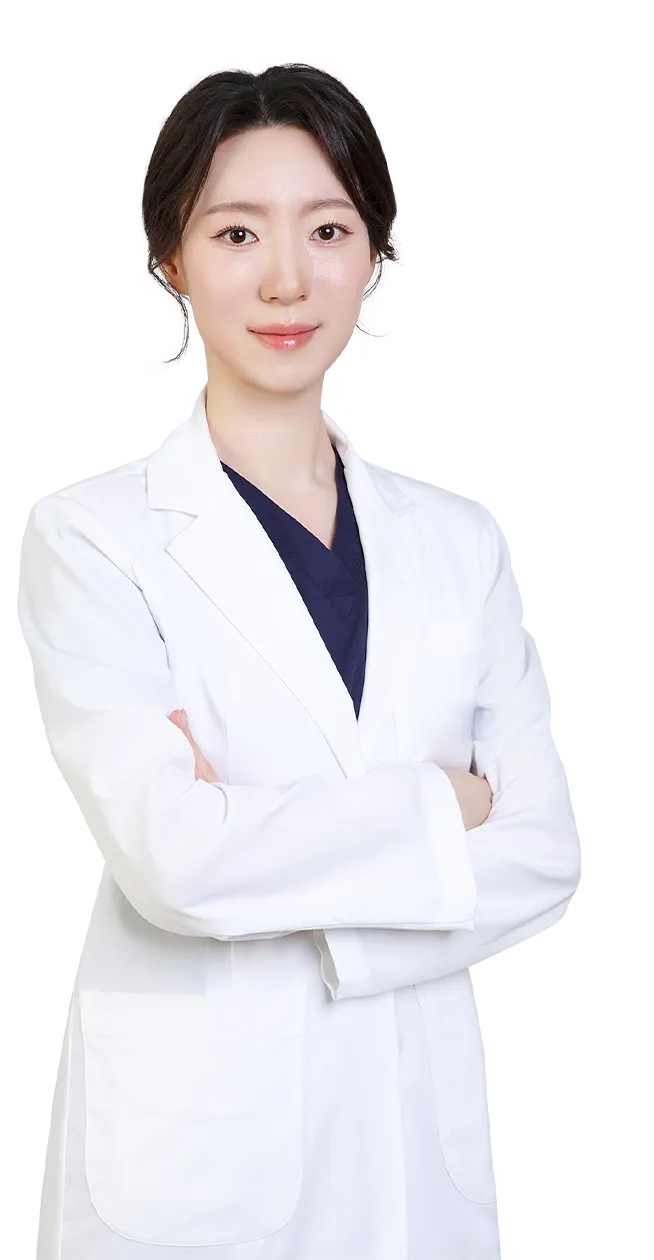
Director Jeong Su-jin
Specialist
Completion of Residency at Seoul National University Hospital
Completed Residency at Seoul National University Hospital
Graduated from the University of Pécs
Graduated from McMaster University
Full Member of the Korean Hair Restoration Society

Director Pyo Jong-hoon
Full Member of the Korean Hair Restoration Society
Full Member of the Asian Hair Restoration Society
Full Member of the European Hair Restoration Society
Full Member of the Japanese Society of Clinical Hair Transplantation
Full Member of the Korean Society of Aesthetic Plastic Surgery
Full Member of the Korean Society of Dermatology and Hair
6.
Get a thorough diagnosis.
Don't struggle alone any longer. Discover the optimal treatment tailored just for you with Maxwell's precision diagnosis.
Schedule a Diagnostic Appointment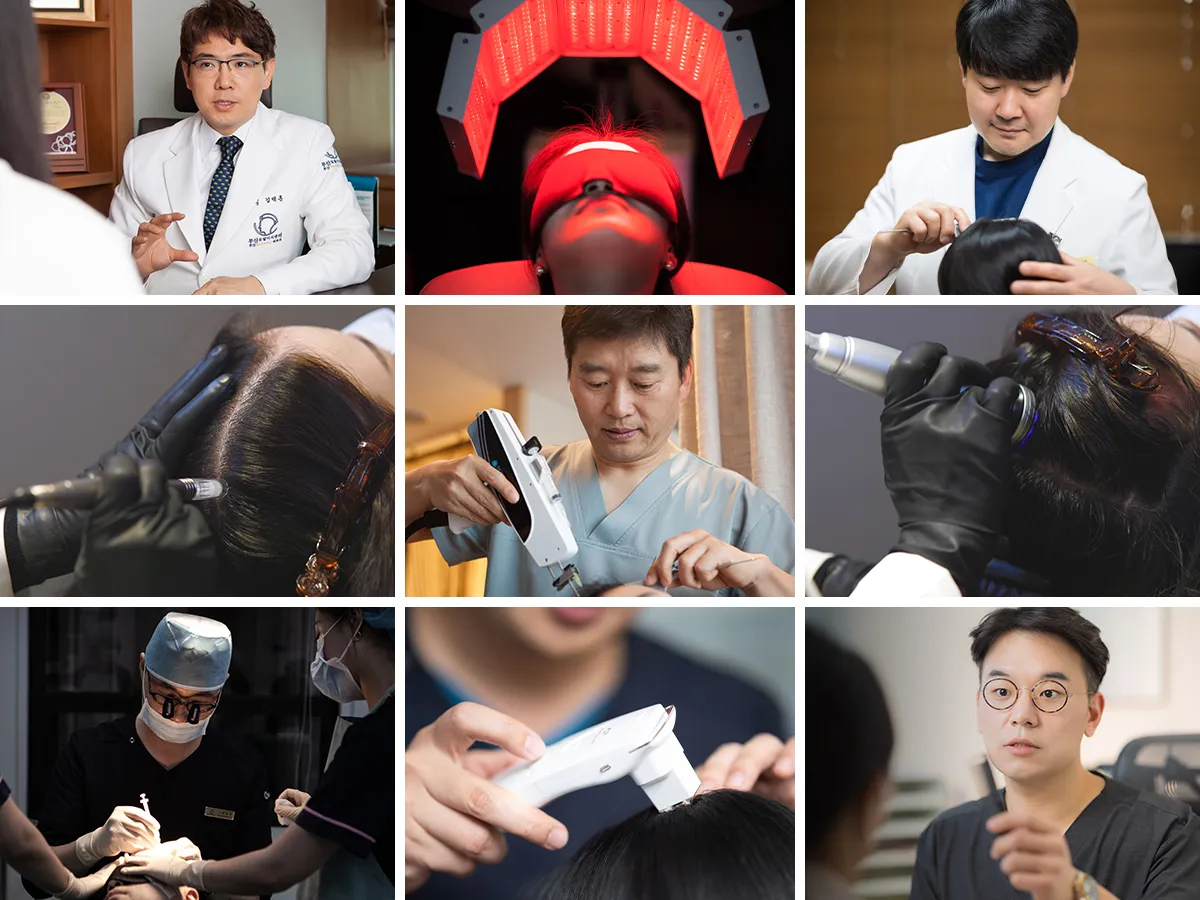

Medical history
Confirm the pattern, duration, accompanying symptoms, medical history, and family history of hair loss.
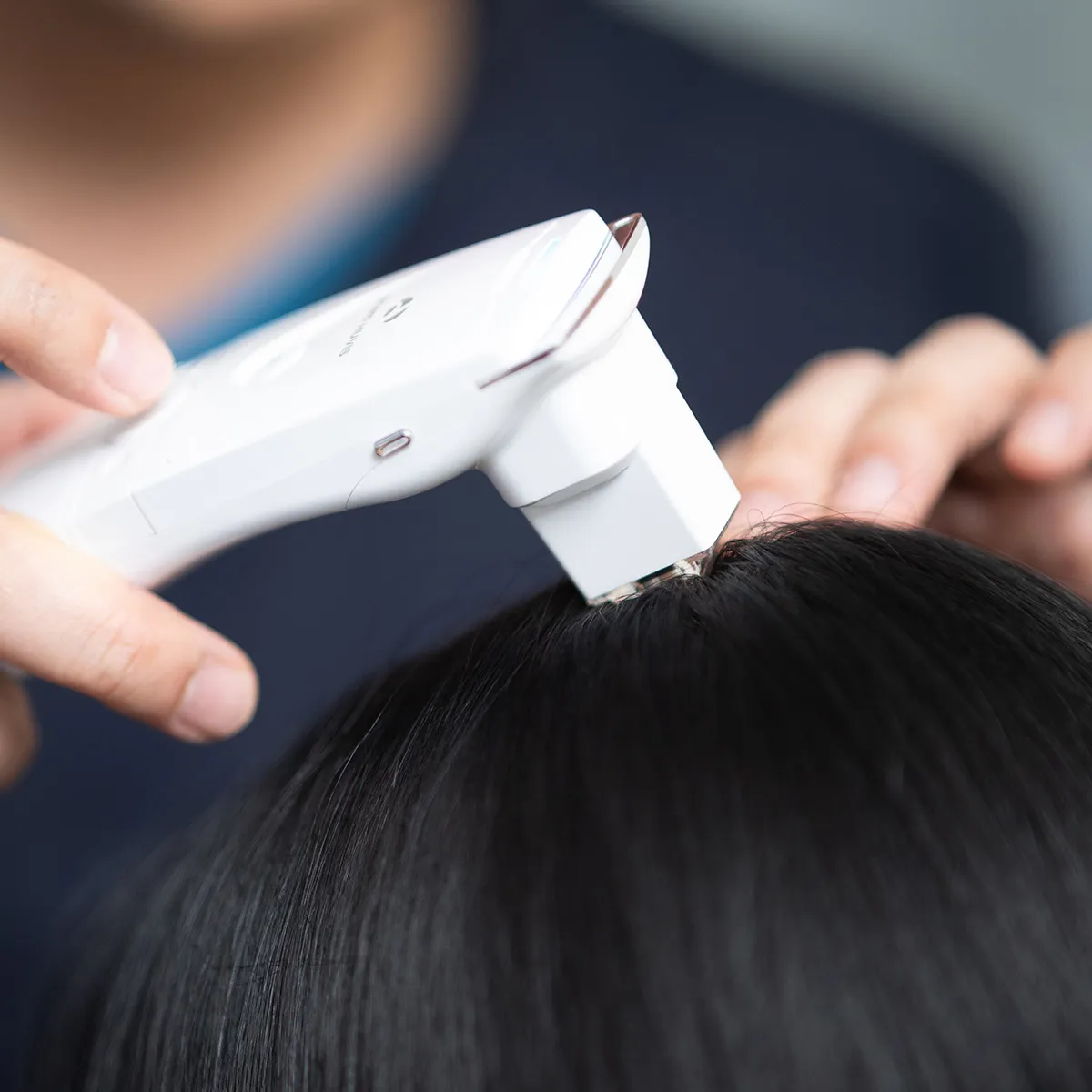
Hair Analysis
Check the scalp condition, hair density, and hair thickness.
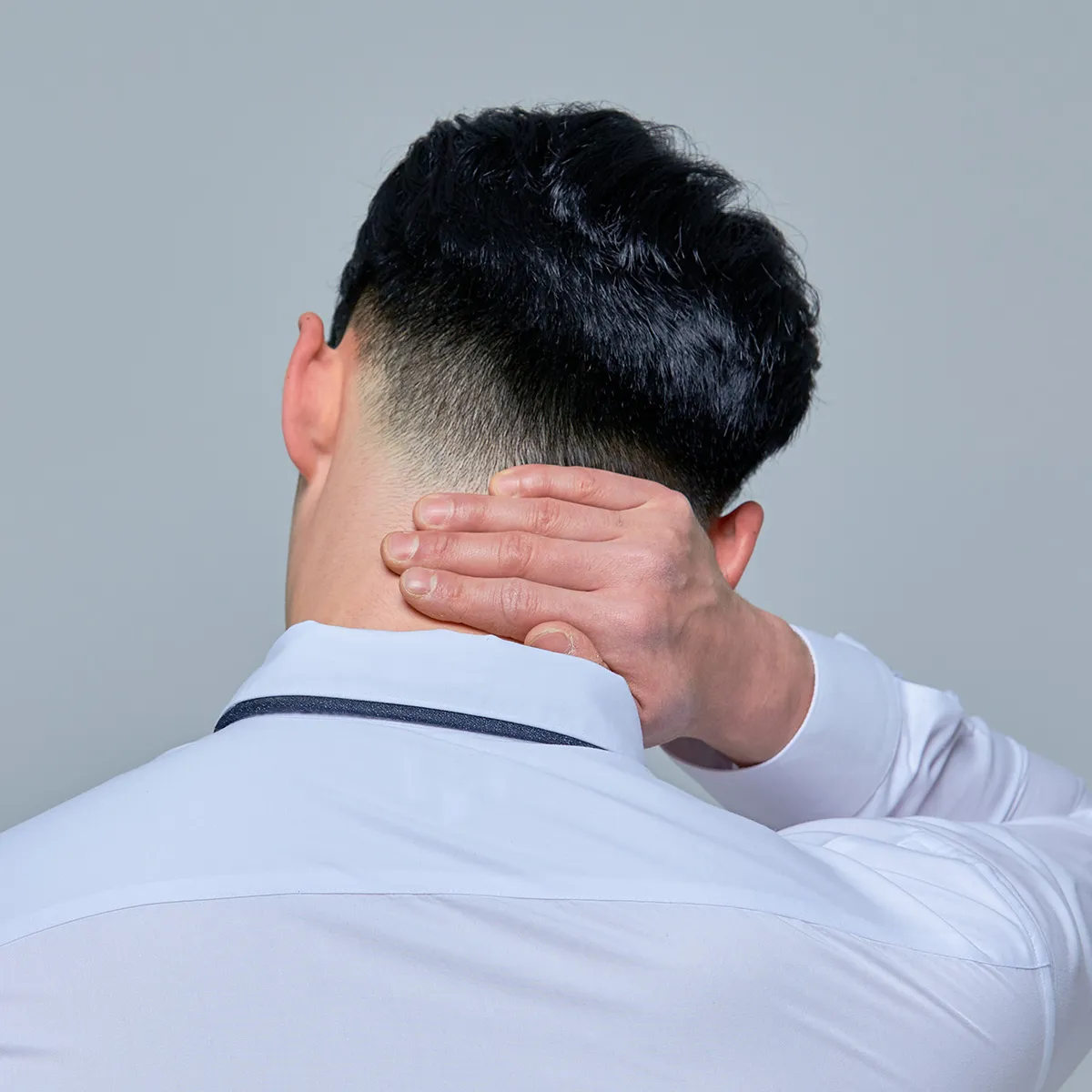
Stress Test
Assessing the level of physical, mental, and stress
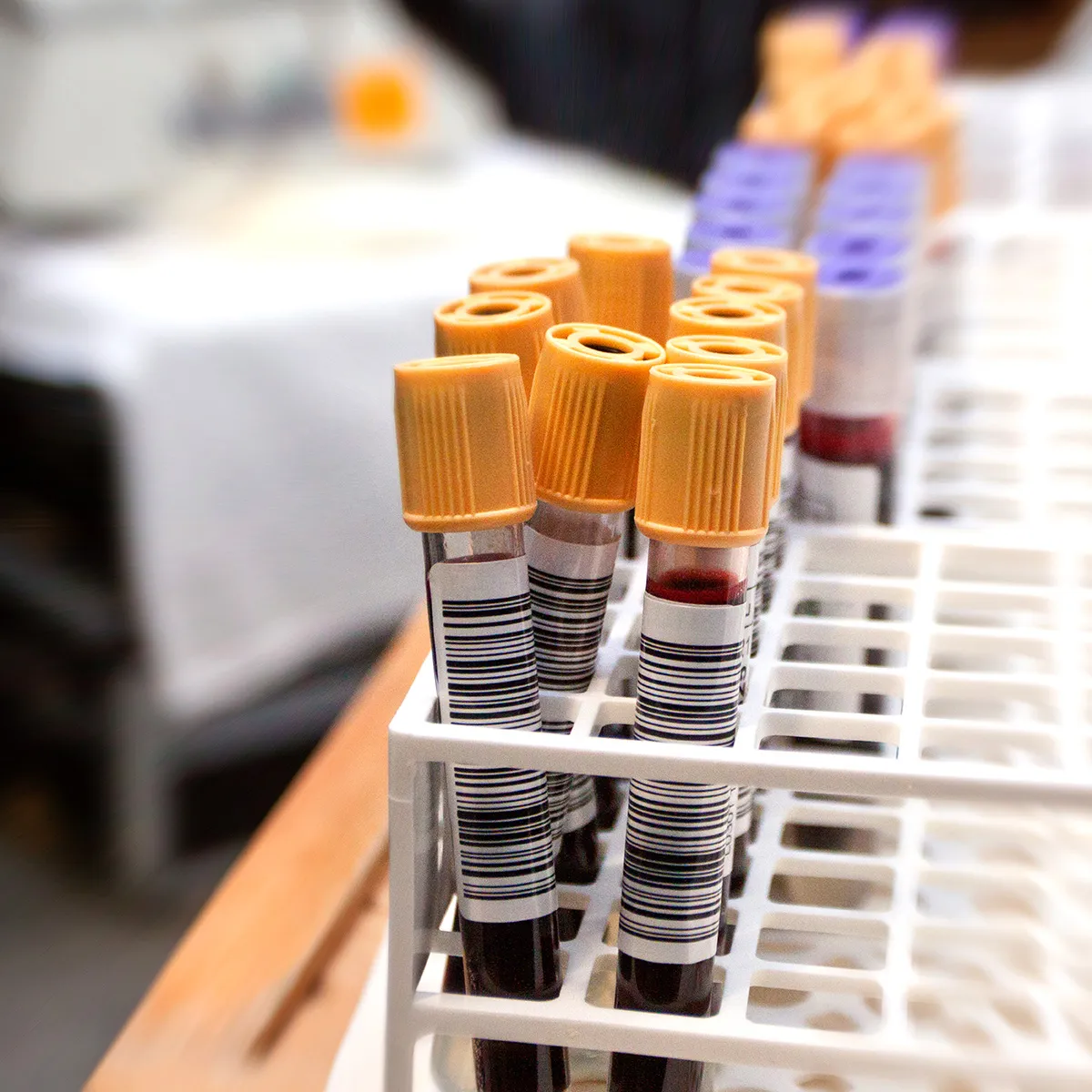
Blood test
Evaluate thyroid function, hormone levels, nutritional status, etc.
Hair Loss Treatment: Everything You Want to Know! Maxwell has the answers.
Can I manage it at home by myself?
Self-care can help slow the progression of hair loss, but areas where hair loss has already begun are most effectively restored through accurate diagnosis and medical treatment.
What is the most effective hair loss medication?When will the treatment effects start to show?
Individual results may vary, but typically around the 10th treatment session, you may notice noticeable changes such as thicker hair and reduced hair loss.
What kind of treatment will I receive?
There is no one-size-fits-all treatment. We individually prescribe various treatments—including medications, injections, lasers, and magnetic fields—tailored to each patient's specific cause and symptoms.
Why am I losing my hair when I'm still young?
Hair loss beginning in one's 20s or 30s is likely caused by diverse and complex factors beyond genetics and aging, such as hormonal imbalances, thyroid disorders, metabolic diseases, and accelerated aging. Accurate diagnosis is essential.
Should I get it treated? Or should I get a transplant?
Some hair loss can be effectively managed, while other types require transplantation. Discover the difference now.
Hair Loss Treatment vs. Hair Transplant: Which is More Effective?