



MAXWELL BLOG
What is a hair transplant specialist hospital?
If you’re searching for a “specialized hair transplant clinic,” you’re likely already seriously considering the procedure. In this article, we’ll explain what actually sets a specialized clinic apart and what criteria you should use to choose one—and we’ll also show you how Maxwell Dermatology, which has focused on hair loss for over 20 years, meets those standards.
1.What is a specialized hair transplant hospital?
This refers to a hospital whose primary area of practice is hair transplant surgery.
The term "hair transplant specialty hospital" is not a legally defined official designation. However, it generally refers to a hospital that focuses on hair transplant surgery as its primary area of practice, possesses specialized personnel, facilities, and equipment, has extensive clinical experience, and provides high-level medical services from surgery through post-operative care.
2.What distinguishes a specialized hair transplant hospital from a general hospital?
The biggest difference lies in the intensity of medical care and the method of accumulating experience.
General hospitals handle multiple medical specialties, so the time and resources allocated to hair transplantation are limited. In contrast, specialized clinics focus solely on hair transplantation. Specialists with extensive experience and expertisein this field analyze each patient's cause of hair loss, scalp health, hair thickness, and density to design customized treatments. They offer various surgical methods, including the strip method and non-strip methods, and are equipped with advanced technologysuch as laser therapy and follicular unit injection to enhance graft survival rates, along with a comprehensive post-operative care system.
| Hair Transplant Specialty Hospital | General hospital | |
|---|---|---|
| medical staff | Medical professionals with over 10 years of dedicated experience in hair transplantation | Hair transplantation is not the primary area of practice. |
| Diagnosis | Diagnosis based on comprehensive consideration of hair thickness, density, and the progression of hair loss | Consultations often focus primarily on basic medical care. |
| Procedure Method | Various surgical methods, including incisional and non-incisional approaches, can be applied. | Some hospitals may only offer limited surgical procedures. |
| Equipment and personnel | Operation of a dedicated hair transplant surgical team and related equipment | There may be cases where a dedicated surgical team is not available, and this varies by hospital. |
| Post-service management | Post-transplant follow-up and operation of a regular management system | Management at the level of general outpatient care is often provided. |
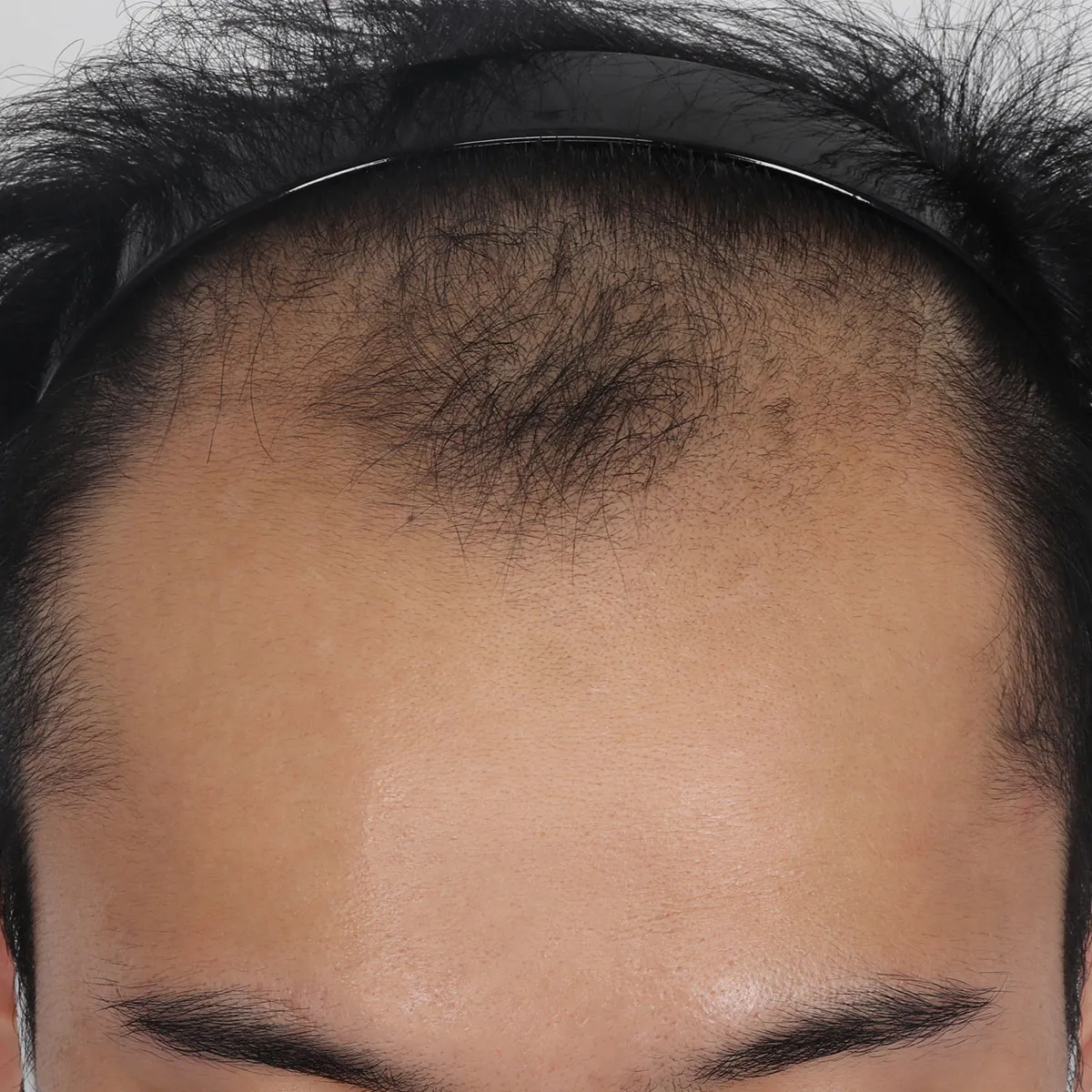
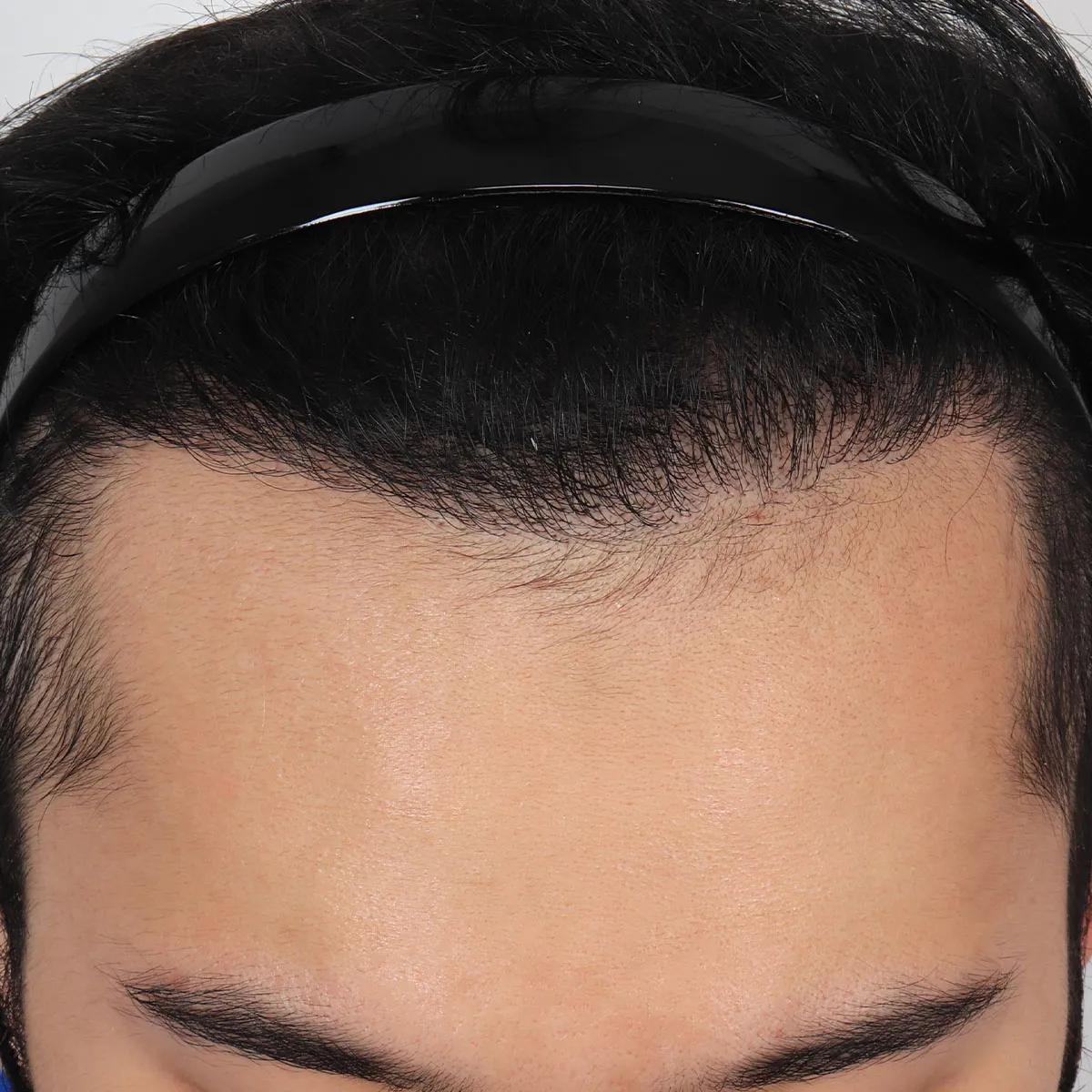
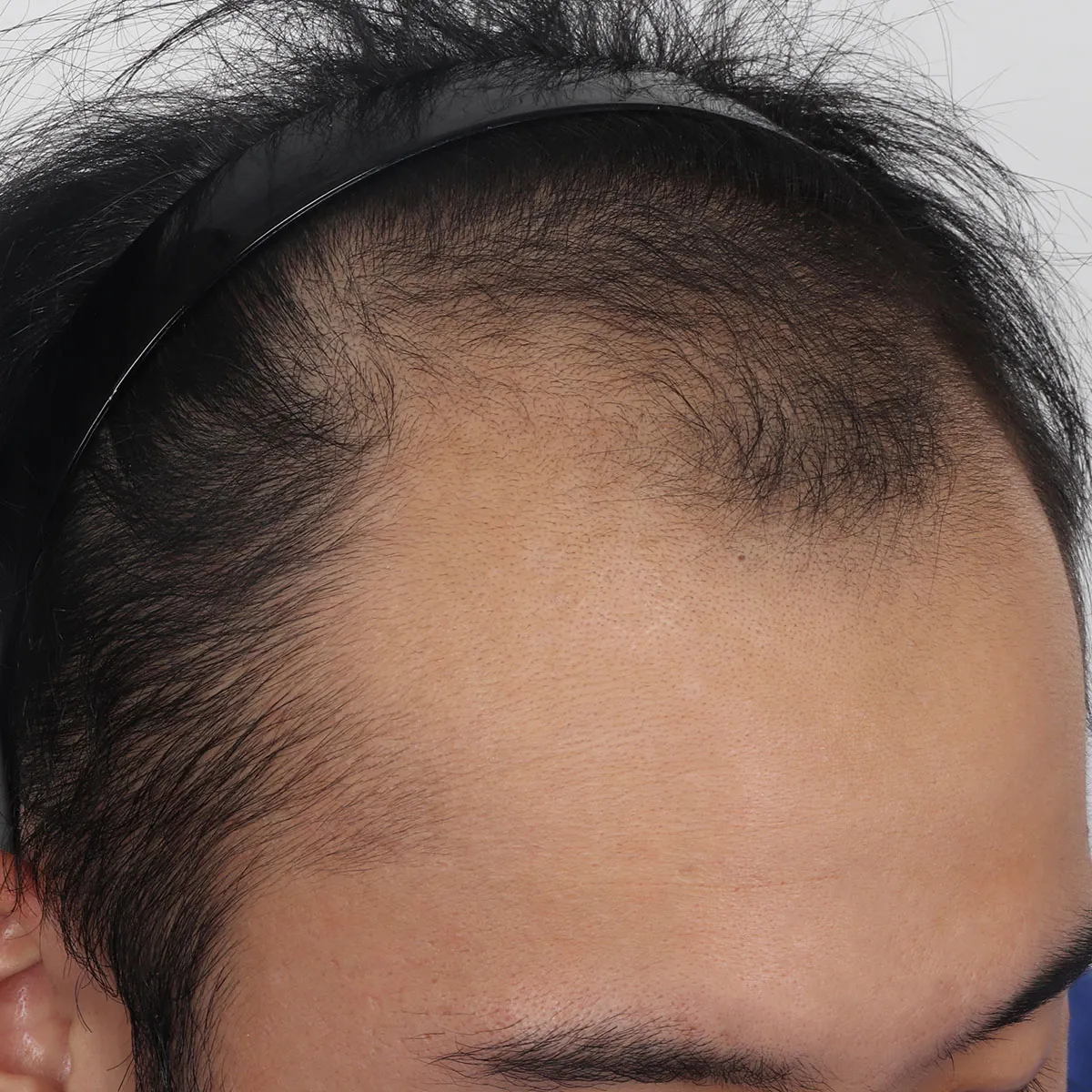
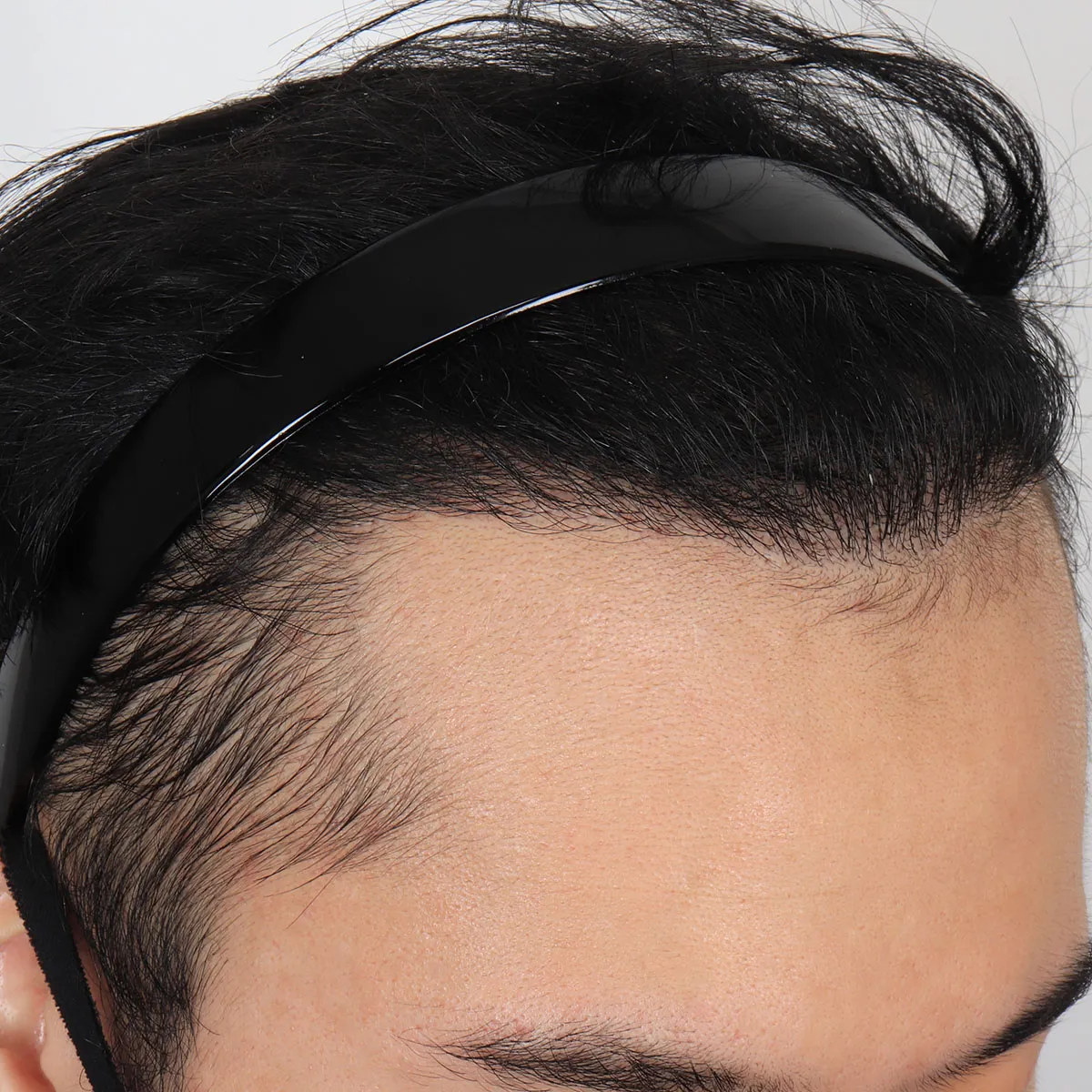
3,500 grafts FUE + 500 grafts FUE / 12 months later
3.How can I identify a specialized hair transplant hospital?
You can verify whether it is a specialized hospital by checking the following items on the website or during consultation.
Simply relying on the designation "specialty hospital" is insufficient for making a judgment, so it is important to verify the actual scope of services and systems in place.
| Hair Transplant Specialist Hospital Checklist | |
|---|---|
| medical staff | Is the medical team with sufficient hair transplant surgery experience involved in the consultation and surgical process? |
| Career | Can you explain based on cumulative surgical experience and actual cases (including pre- and post-operative progress)? |
| Diagnosis | Do they comprehensively evaluate and explain the condition, including hair thickness, density, and the progression of hair loss? |
| Procedure Method | Do you compare and explain the criteria for choosing surgical methods such as incision or non-incision, and make recommendations tailored to the individual's condition? |
| Post-service management | Is the management program systematically guided, including postoperative follow-up, inflammation/edema management, and graft monitoring? |
| Patient Testimonials | Are there sufficient testimonials/case studies from actual users, and are they disclosed consistently and without exaggeration? |
| Reliability | Is information about medical staff, the treatment process, and guidance notices (side effects/limitations, etc.) provided transparently? |
What if we apply this checklist to Maxwell Dermatology?
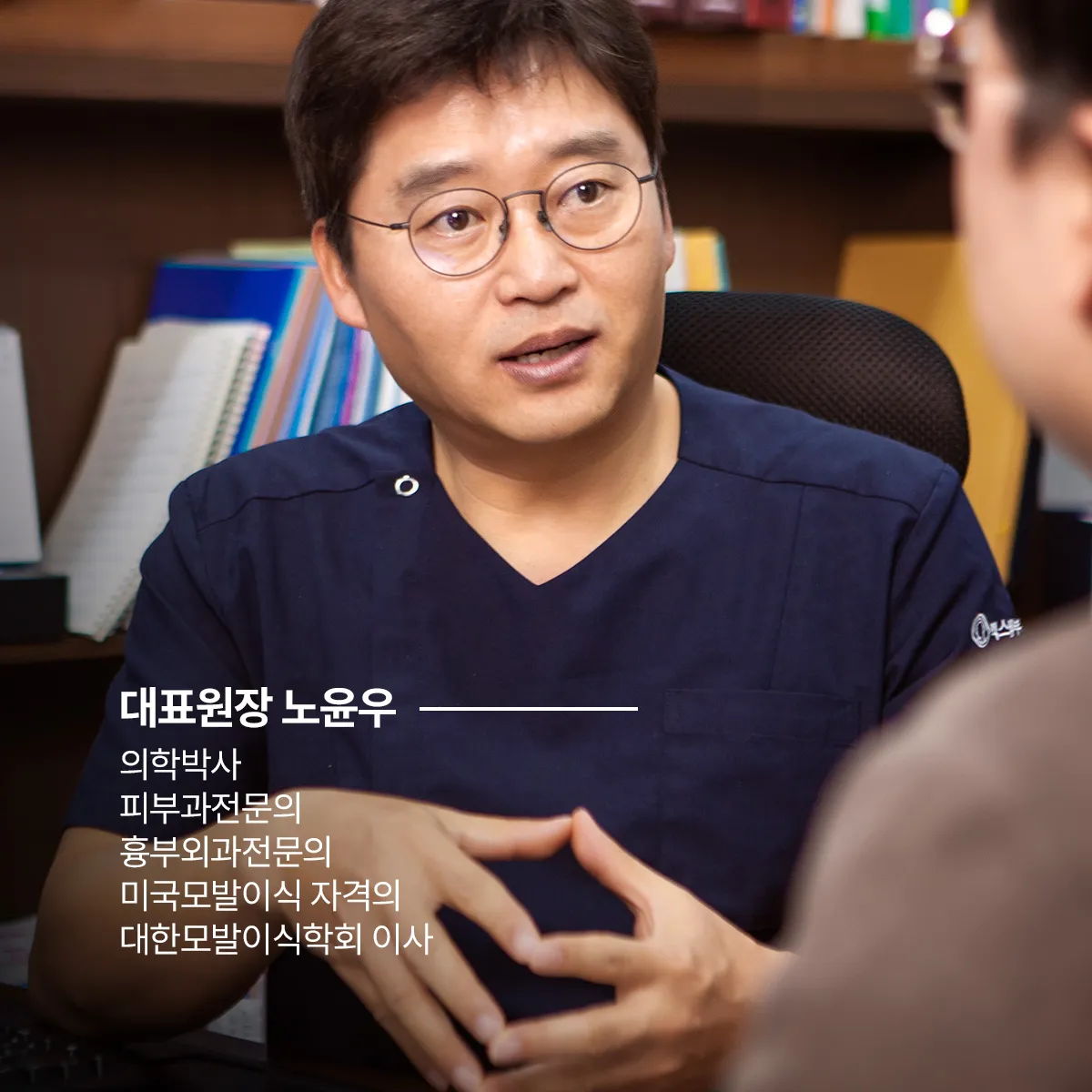
- Medical StaffWe are a hospital led by specialists who have dedicated over 20 years exclusively to treating hair loss and performing hair transplants.
- ExperienceWe have accumulated data on over 500,000 cases of hair loss treatment.
- DiagnosisWe provide a personalized diagnosis based on a comprehensive evaluation of hair thickness, density, and the progression of hair loss.
- Procedure MethodsWe recommend various surgical methods, such as incisional and non-incisional procedures, tailored to the patient's condition.
- Post-operative CareWe maximize the success rate with our 1-year post-operative care program.
- Patient ReviewsWe transparently disclose Naver Places reviews and actual before-and-after photos based on real names and actual data.
- TrustworthinessWe transparently disclose the names and professional backgrounds of our medical staff. We have been named the Best Hair Loss Treatment Clinic for three consecutive years and have won the Consumer Satisfaction Award for four consecutive years. During consultations, we also provide honest explanations regarding potential side effects and limitations.
4.Does a specialized hospital automatically mean it's safer?
You cannot assume safety based solely on the term “specialized hospital.” However, hospitals with medical staff and systems that have performed the same procedure repeatedly are more likely to have accumulated experience in handling unexpected situations.
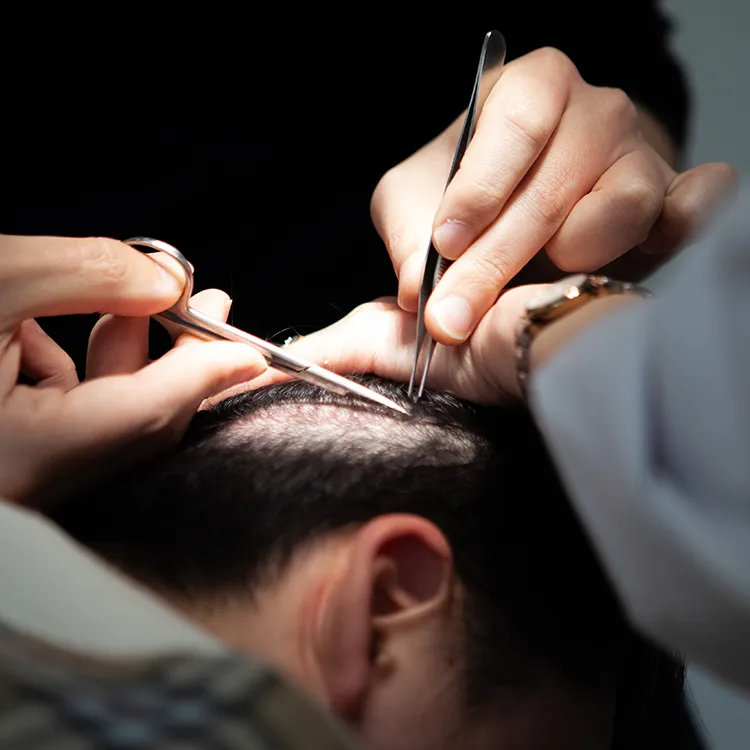
Hair transplantation is a surgical procedure performed under local anesthesia. Factors such as proper management of anesthesia dosage, maintaining a sterile environment during surgery, and minimizing damage to hair follicles during the harvesting and transplantation processes are key determinants of safety. These factors depend not on the name of the clinic, but on the actual surgical procedures and the skill of the medical staff.
Post-surgery swelling, scabbing, and temporary hair loss (shock loss) are normal reactions experienced by most patients. It is important to ensure that the clinic thoroughly explains these issues before surgery and provides guidance on how to respond if any abnormal symptoms occur.
Safety should be assessed based on the level of explanation provided by medical staff and their understanding of the patient's condition, rather than solely on the designation of 'specialty hospital'.
5.What should I be mindful of during counseling?
Once you’ve reviewed the checklist, be sure to address these two pointsduring the consultation.
First, carefully review the post-operative care program. The survival rate of transplanted hair is determined not only by surgical technique but also largely by post-operative care. Make sure you receive systematic guidance on post-operative care instructions, washing methods, follow-up appointments, and how to handle inflammation or swelling.
Second, make sure the doctor provides an honest explanation of what to expect and what the limitations are. While the transplanted area will recover over time, hair in the non-transplanted areas may continue to fall out if hair loss is ongoing. Ensure that the doctor honestly explains that a single procedure may not completely resolve all hair loss, and that you discuss realistic goals tailored to your individual situation.
Rather than opting for consultations that promise unrealistic results or focus solely on cost, choosing a clinic that thoroughly assesses your individual hair loss condition and overall health before recommending a treatment planis more likely to lead to better long-term results.
6.Why Maxwell Dermatology is Chosen as a Specialized Hair Transplant Clinic
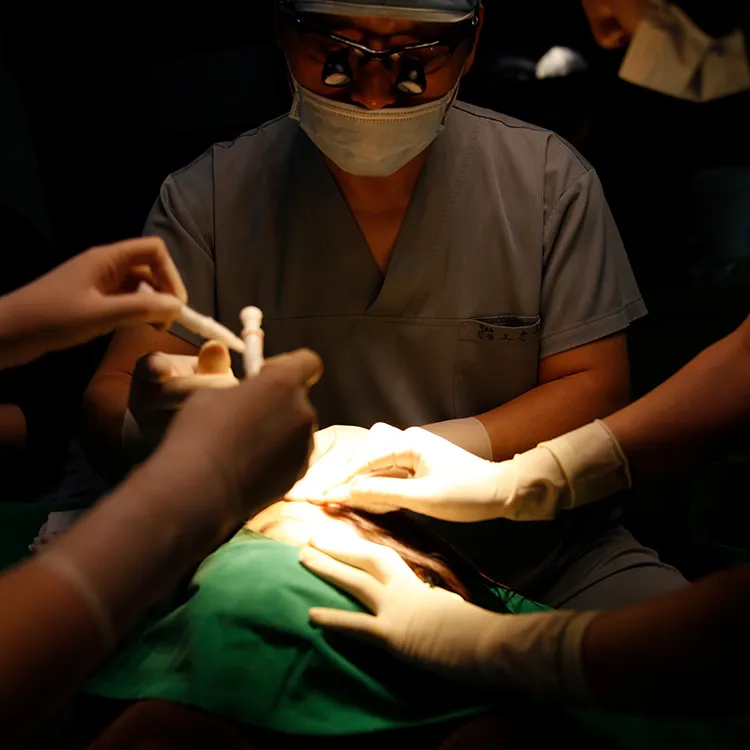
For over 20 years, Maxwell Dermatology has specialized exclusively in hair loss treatment and hair transplants. We go beyond simply performing surgeries; we support our patients through a comprehensive system that includes everything from precise pre-operative diagnosis to one year of post-operative care. See for yourself what sets us apart—we’ve been named the Best Clinic for Hair Loss Treatment for three consecutive years and have won the Consumer Satisfaction Award for four consecutive years.
01
A specialist who has dedicated over 20 years to treating hair loss
A dedicated hair transplant specialist personally handles everything from consultation and surgery to post-operative care. Since our surgical team focuses exclusively on hair transplants, you can expect a high level of expertise born from extensive experience.
02
Premium Hair Transplant with 9 Key Details
Even when planting just 3,000 seedlings, it looks as lush as if you’d planted 5,000. This is the exceptional result achieved by Maxwell’s 9 key details.
03
Over 500,000 treatment records
Based on over 500,000 cases of treatment data, we conduct a detailed analysis of each patient’s hair loss pattern and hair condition to design the optimal surgical plan.
04
1-Year Post-Surgery Care Program
To maximize graft survival rates after transplantation and slow the progression of hair loss, our specialists accompany you throughout the one-year recovery process. We are a clinic that takes responsibility not only for the surgery itself but also for the results.
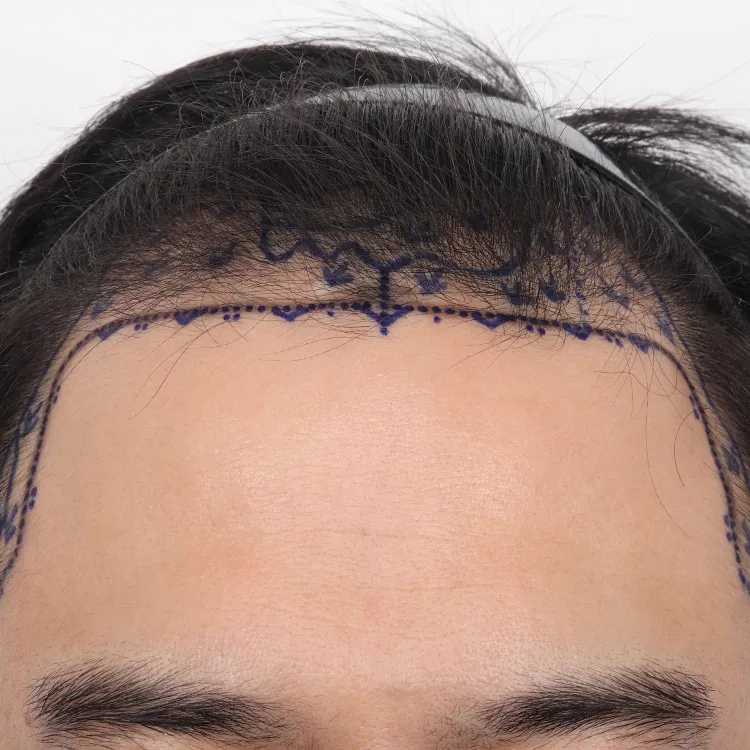
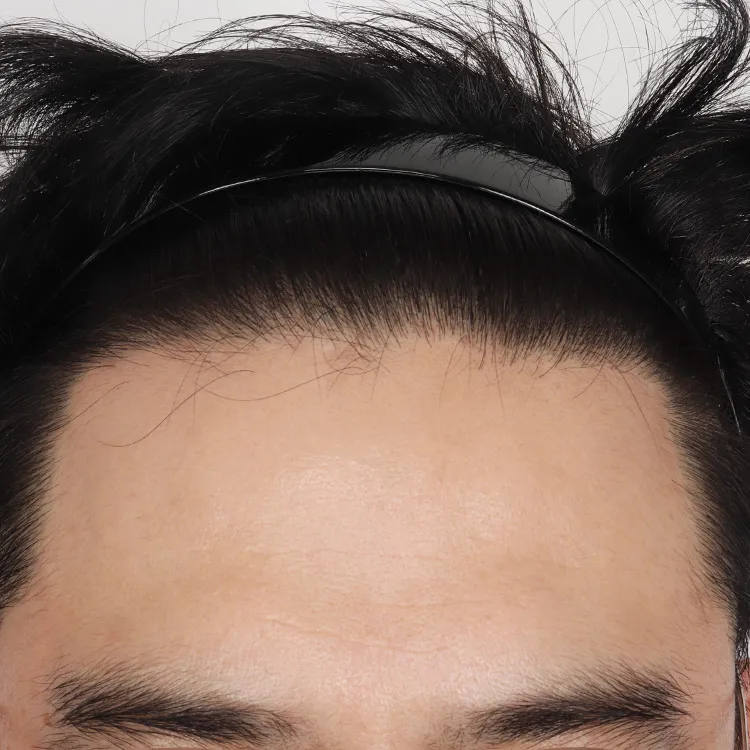
M-shaped hair loss / 39 years old, 3,000 grafts, 12 months later
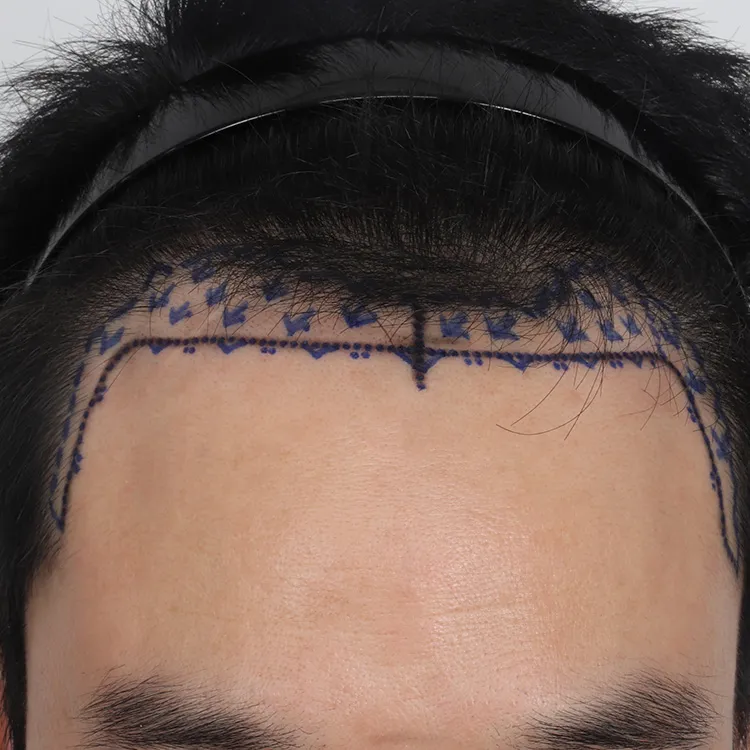
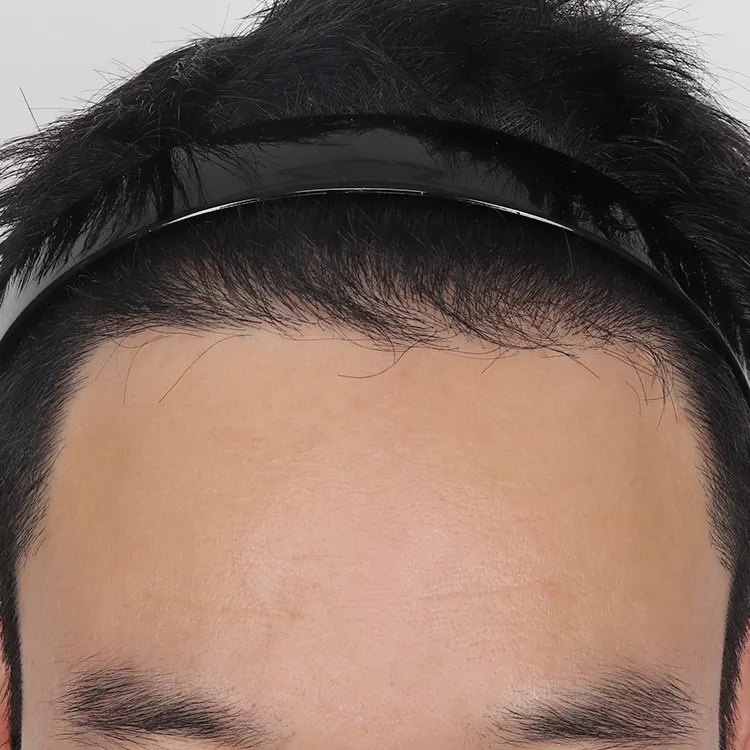
M-shaped hair loss / 38 years old, 3,500 grafts, 13 months later
When selecting a specialized hair transplant hospital, the most important factor is not the term 'specialized' itself, but whether the hospital actually possesses surgical experience, a qualified medical team, and a robust management system. It is advisable to compare standards by consulting multiple hospitals and to make a decision only after receiving a thorough explanation regarding your specific condition.
Mastering Hair Transplant Costs