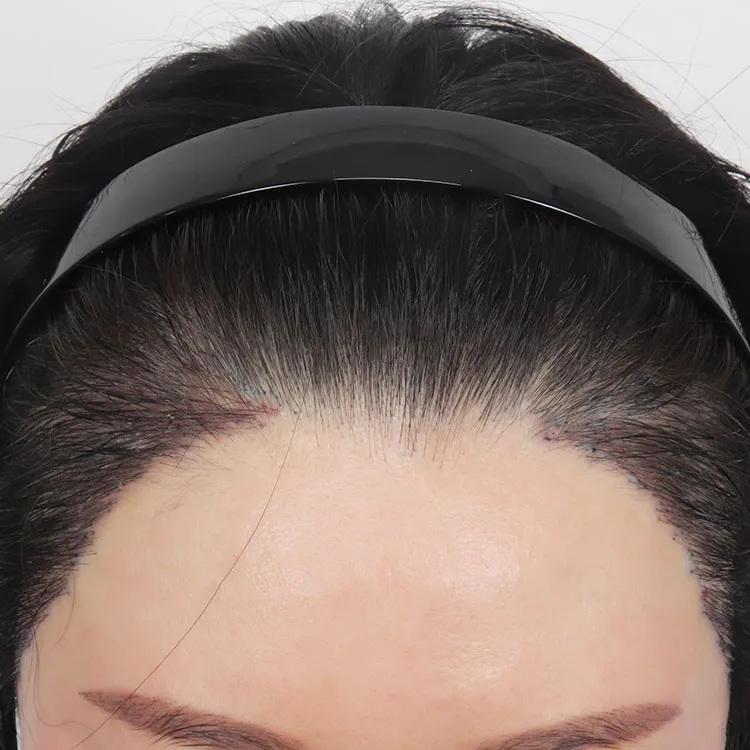
01.Diagnosis of the Transplant Site and Hair Follicles
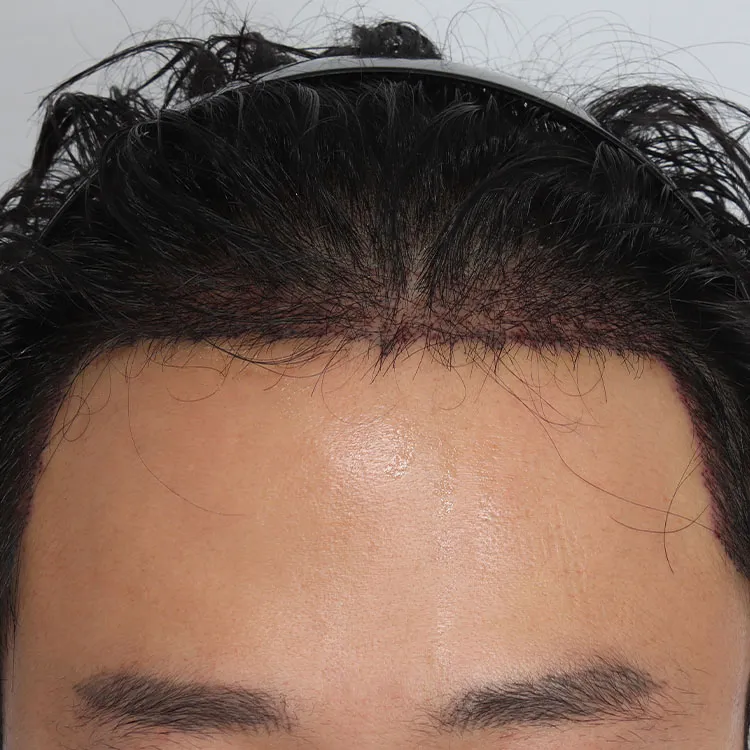
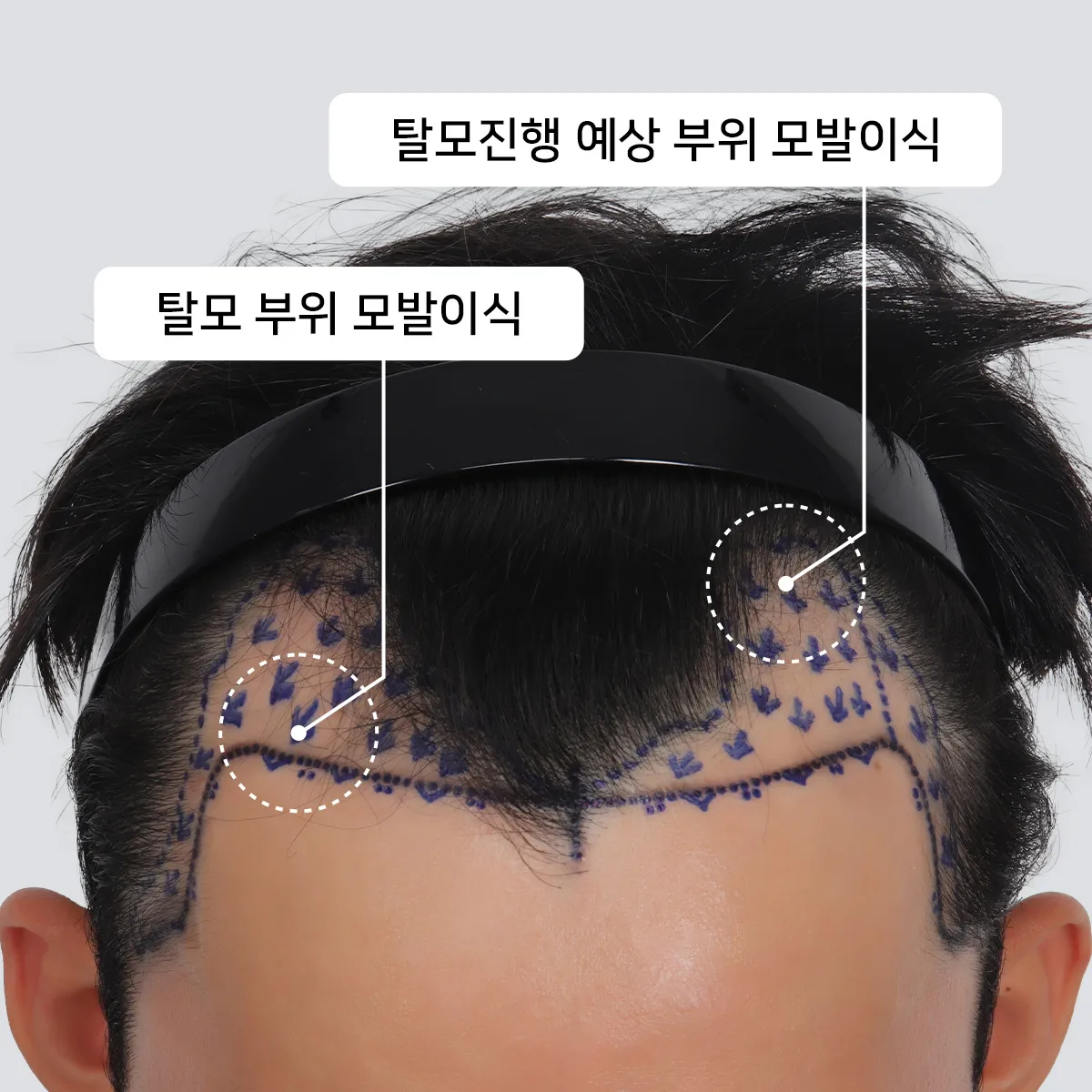
①First, we thoroughly diagnosed both the areas where hair loss had already progressed and the areas most likely to progress within the next 2 to 3 years. Hair transplantation is a procedure to fill in balding areas, not to halt progression, so we accurately predicted the progression of hair loss after transplantation and prepared for it in advance.
blog
Five Determining Factors of Cost and Parameters
Learn more
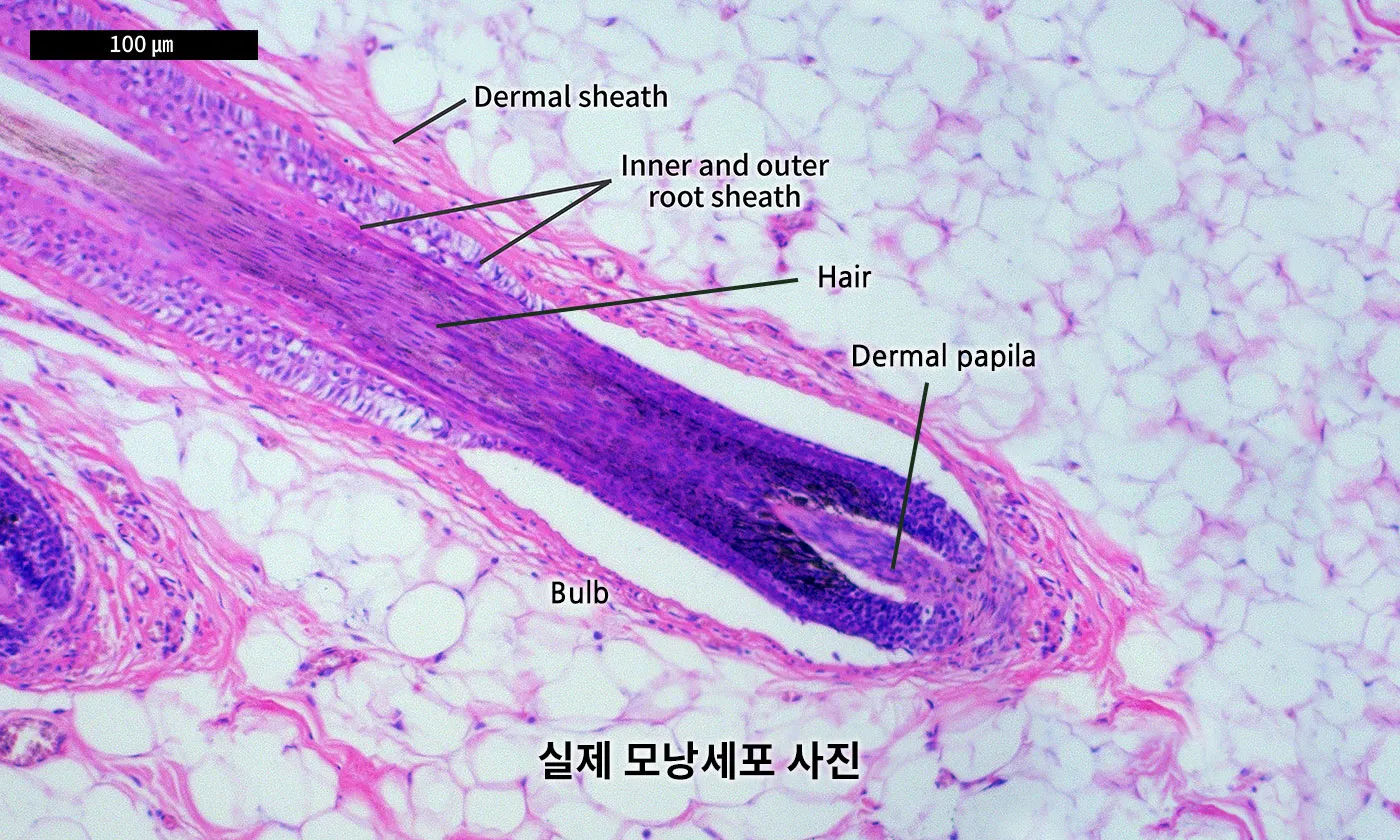
②The diagnostic results showed that in the M-shaped area, the hair follicle cells had already disappeared, while in the crown area, the hair was not gone but had become thinner. In such cases, for the M-shaped area, performing a transplant and restoring hair thickness through treatment at the crown is more effective and cost-efficient than forcing surgery.
blog
Is it okay to get a transplant in my 20s to 40s?
Learn more
02.Custom Design
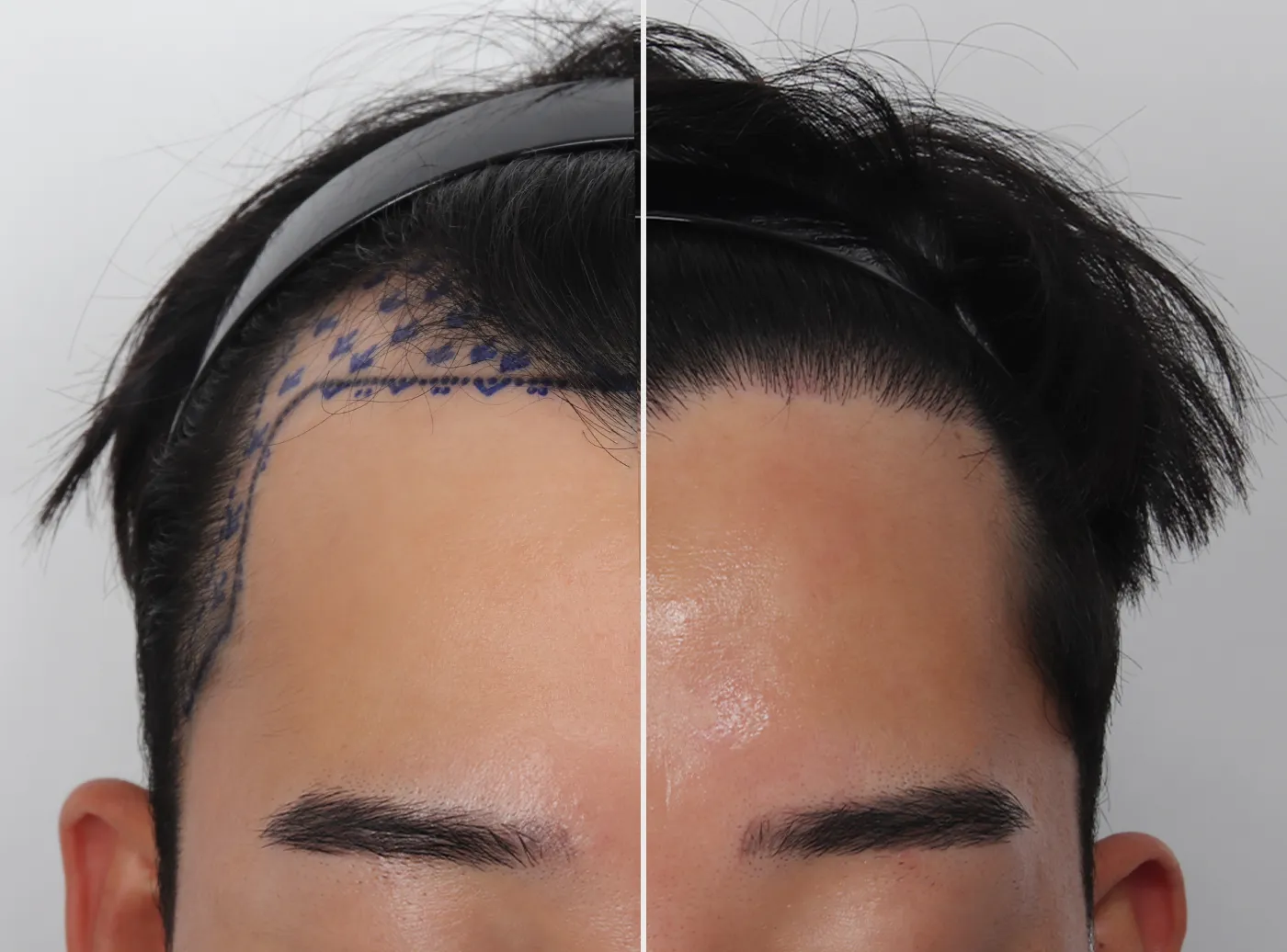
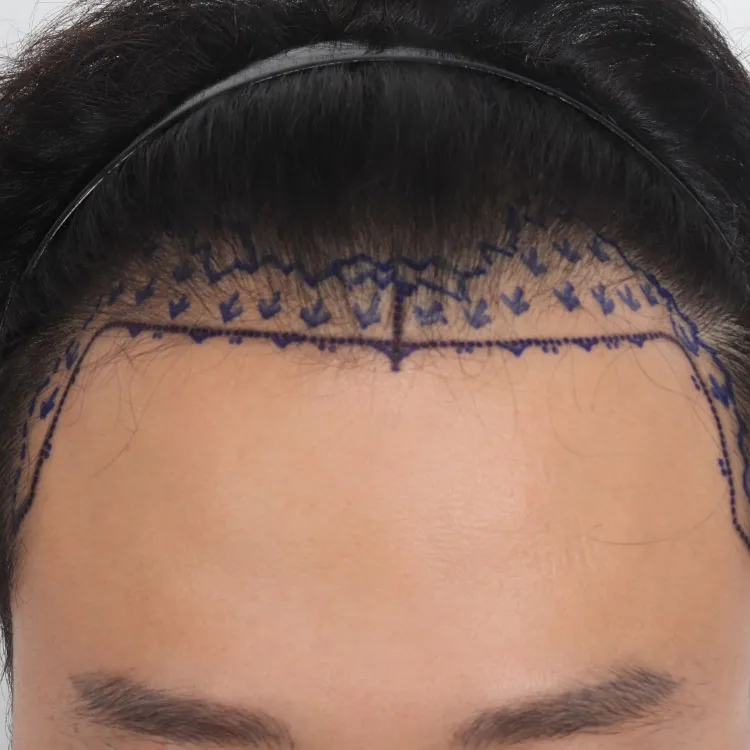
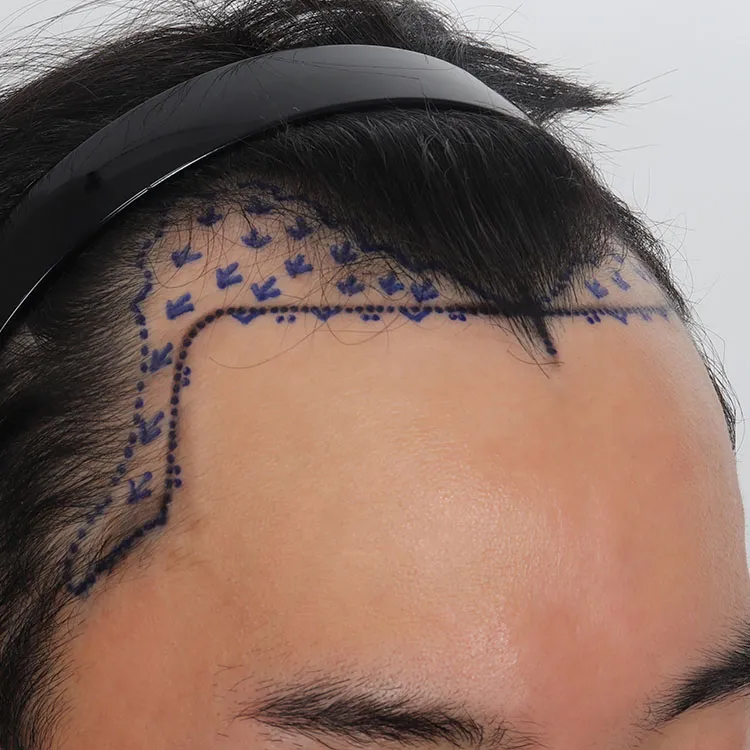
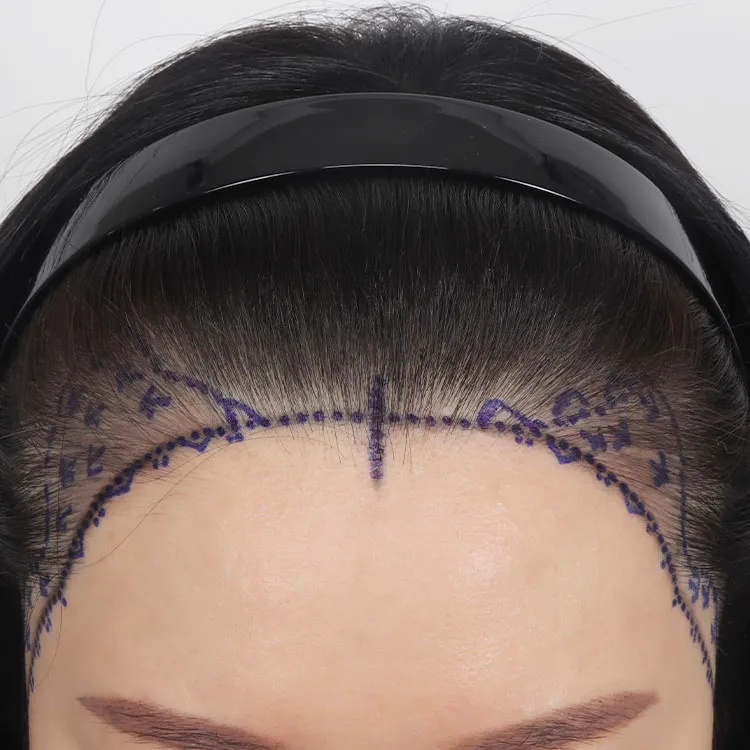
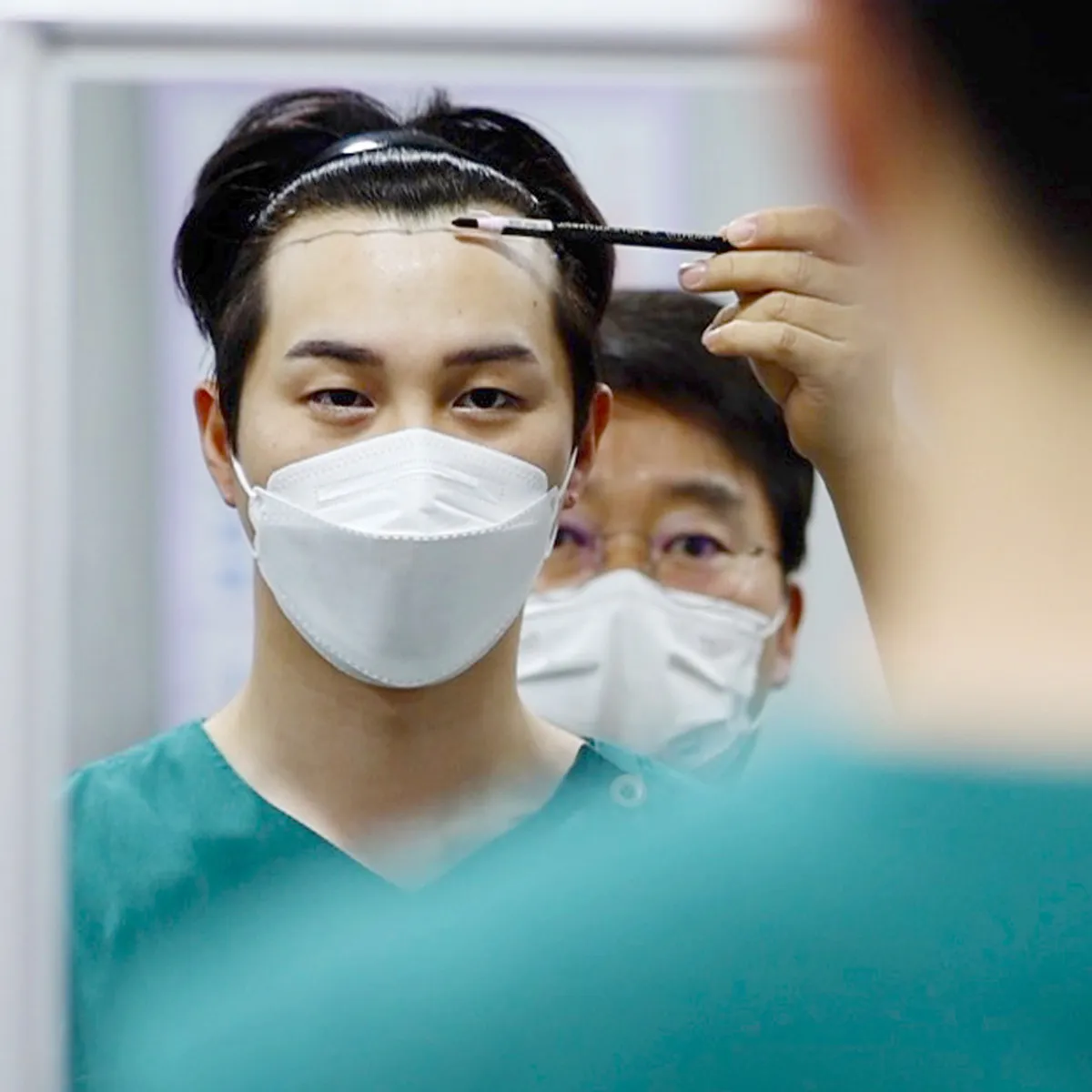
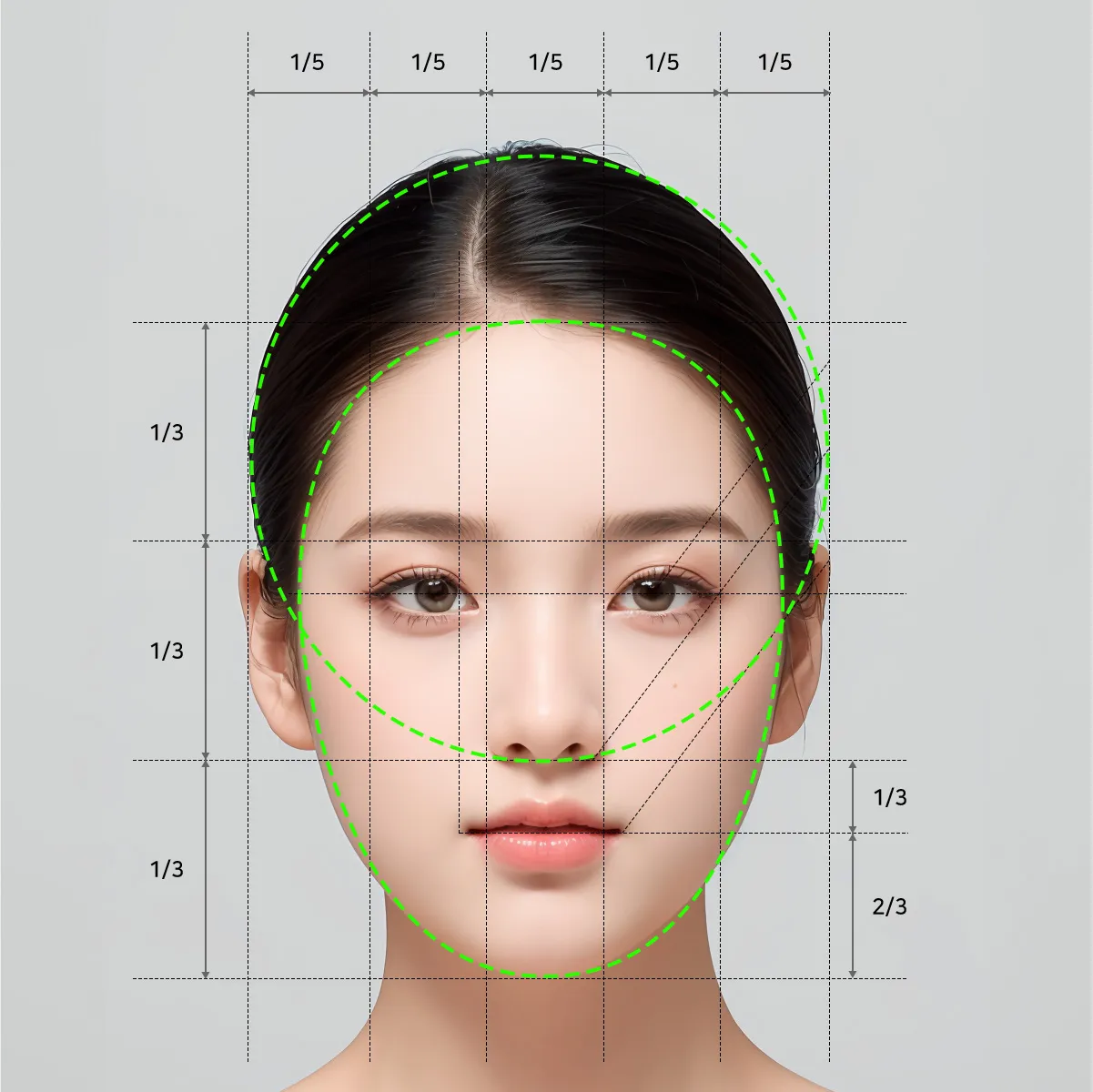
①Now, we begin the design by aligning the ends of the eyebrows with the ends of the hairline. Aligning the eyebrow ends with the hairline prevents the forehead from appearing too narrow or wide, creating a balanced facial impression.
②Using a laser, we precisely align the symmetry of the hairline on both sides. From an evolutionary psychology perspective, the better the symmetry between the left and right sides, the more likely it is to be perceived as possessing healthy genes, thereby creating a more attractive impression.
③However, a perfectly straight hairline can appear artificial, so we embrace its irregular beauty, much like nature's coastline. For Mr. Kim Ji-hoon, we designed sharp angles and side lines to complement his round face shape, creating a sharp image.
blog
The 4 Secrets of a Subtly Charming Face
Learn more
03.Posterior Head Design
To minimize the scar at the back of the head and maintain density, the design of the occipital region is also crucial. The back of our heads are stretched taut like balloons. This tension causes scars to enlarge. Therefore, we meticulously diagnose the elasticity of the head and scalp, then create a 3D design to ensure the incision site experiences minimal tension.
04.Hair Follicle Harvesting
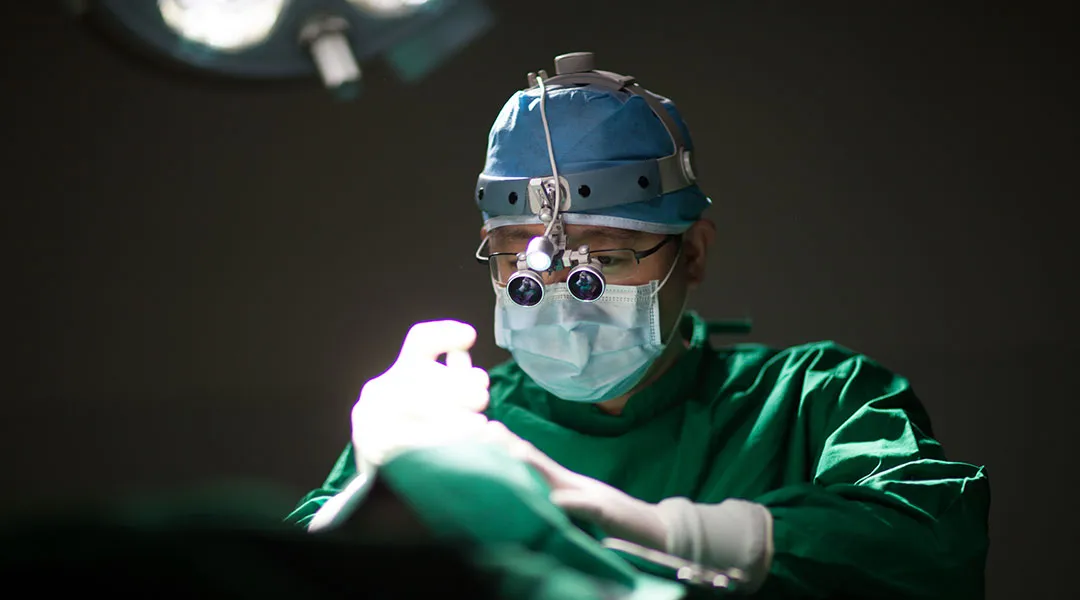
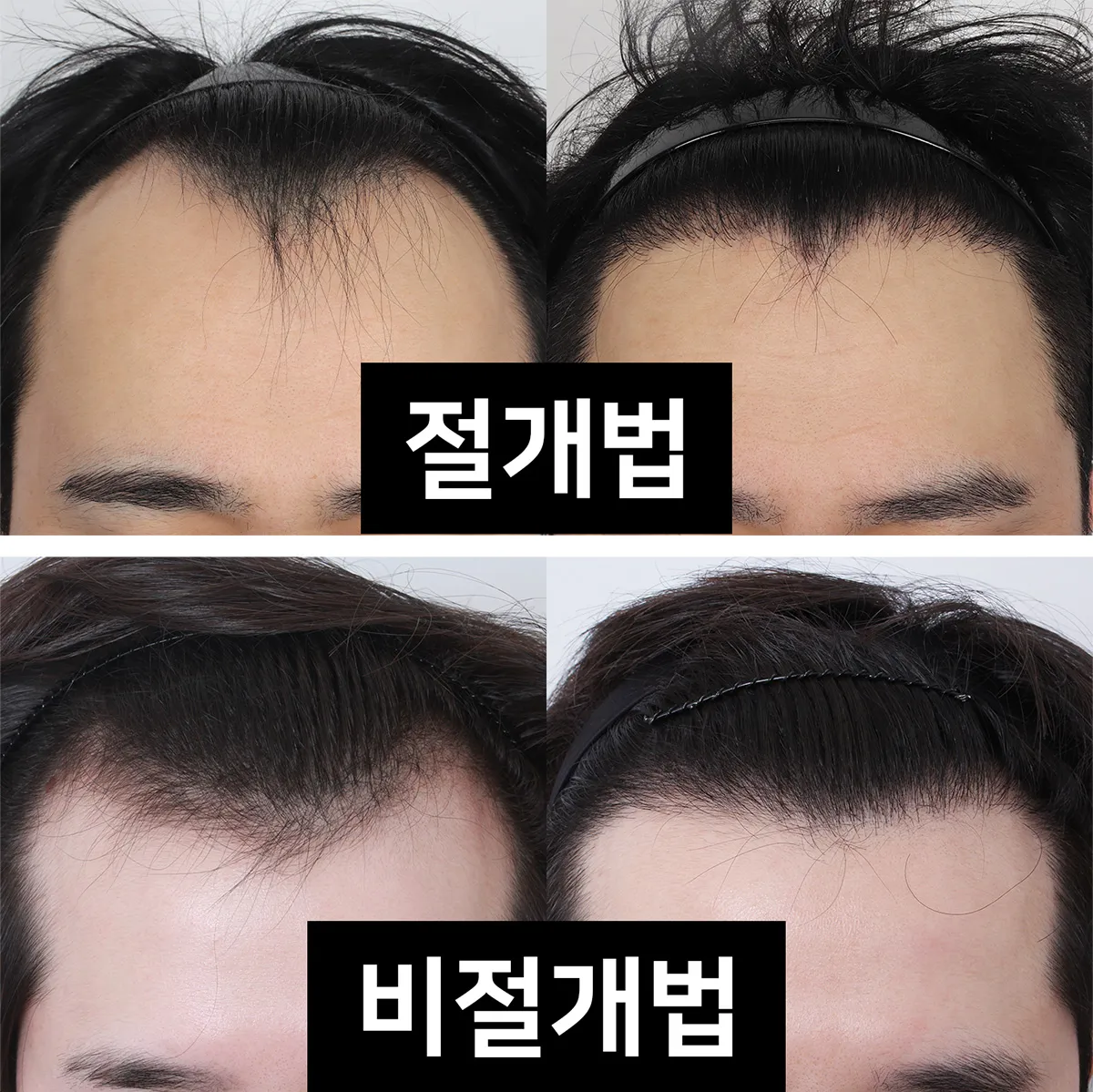
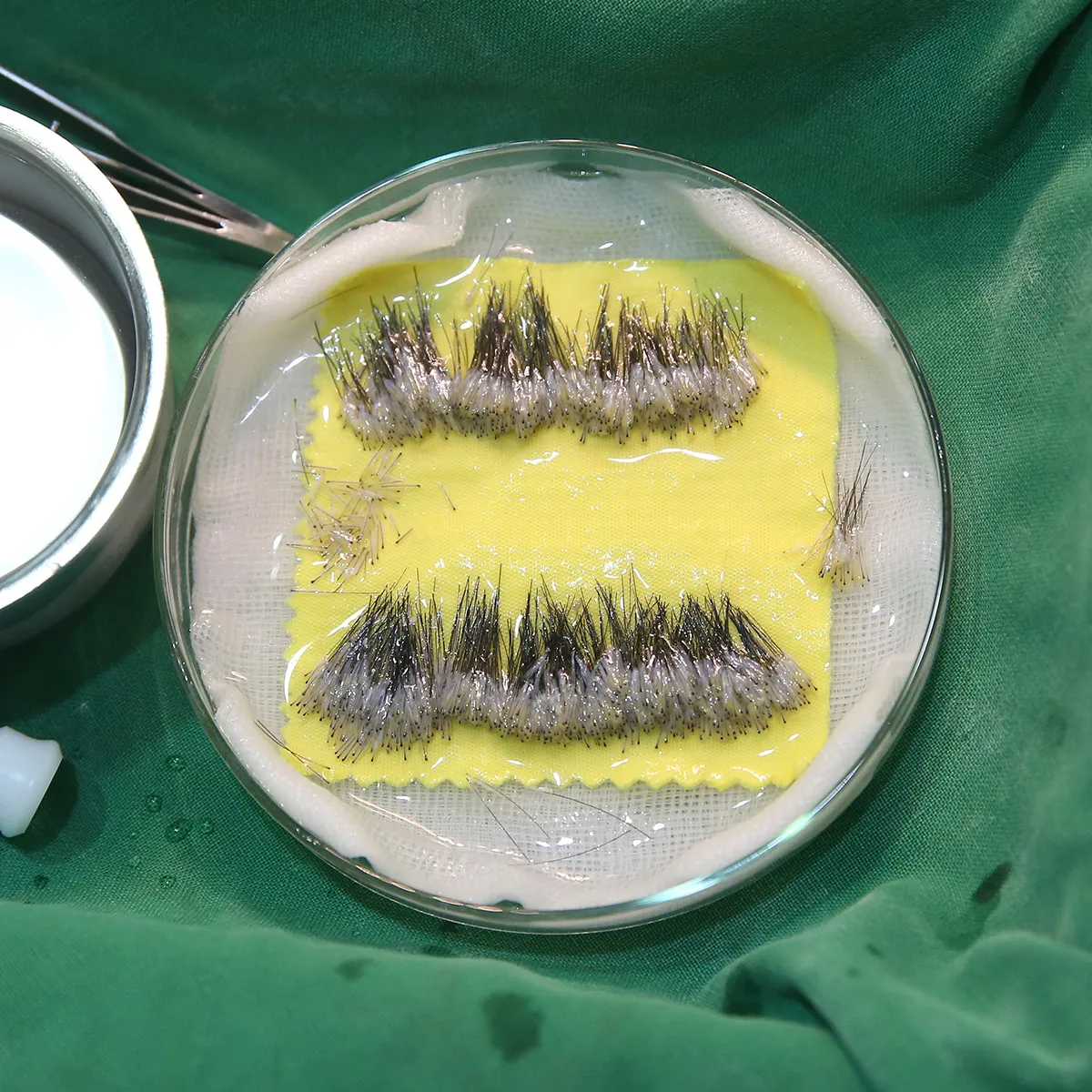
Finally, follicular unit extraction begins. If this process is not performed delicately, the follicles can be damaged, resulting in the loss of precious follicles. Therefore, we carefully organize the surgical area to clearly distinguish it and prevent hair from tangling.
blog
3,000-Piece Review Comparison
Learn more
05.Hair Follicle Isolation
To avoid losing precious hair follicles, the skill level of the follicle separation team is just as important as that of the doctor. This is because achieving a high survival rate requires separating the grafts as thinly as possible while avoiding damage to the stem cells surrounding the hair follicles. If it were me, I would likely choose to undergo the procedure at a hospital with extensive experience and a large scale.
06.Occipital Suture
We perform a special suturing technique that makes the scar on the back of the head nearly invisible. The size of the scar is proportional to the amount of tension exerted on the scarred area. To distribute this tension, we perform 2-3 layers of dispersed sutures both inside and outside the scalp, along with a special suturing technique that trims the skin at the incision site.
07.Hair Transplant
①Now the full-scale transplant using the grafting tool begins. The follicular unit extraction method requires more cost and manpower than the slit method, but it enables much more precise and delicate transplantation, allowing us to provide patients with the best possible results.
②There is a method to achieve a more abundant effect, as if transplanting 5,000 grafts, even with only 3,000 grafts. The transplanted hair is arranged in overlapping grids to minimize gaps. Fine hair is transplanted to the front and thicker hair to the back, creating a fuller, more natural-looking result.
blog
5 Key Tips to Prevent Hair Transplant Failure
Learn more
08.Surgery completed
①Even after the surgery is over, you cannot let your guard down. Due to the high density of transplantation in a narrow area, transplanted follicles may be pushed out or their angles may shift due to pressure. It is essential to double-check the position and angle of the transplanted follicles.
②The regenerative laser treatment received immediately after surgery enhances the engraftment rate and accelerates recovery. Mr. Kim Ji-hoon's surgery was highly successful, and I am also very much looking forward to the results.
09.The next day's visit
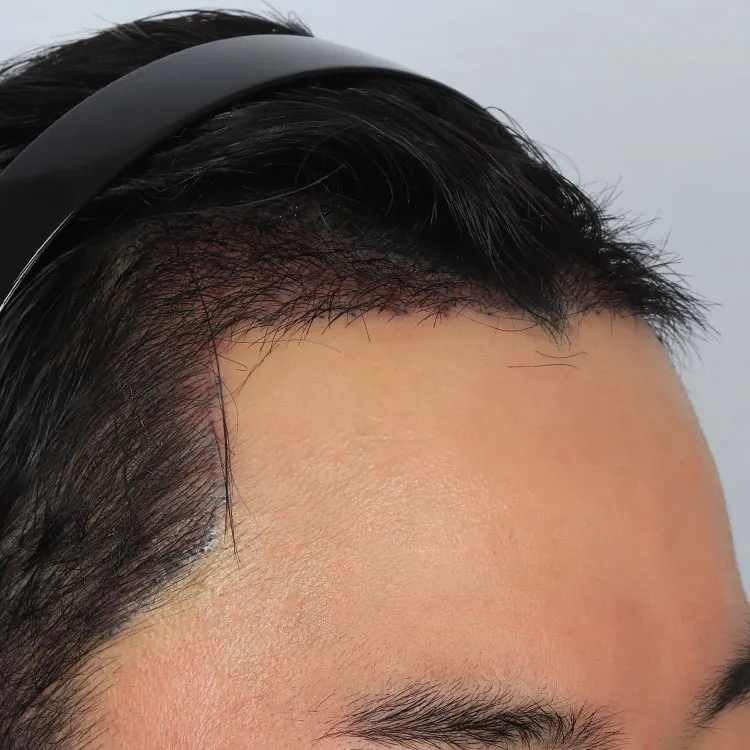
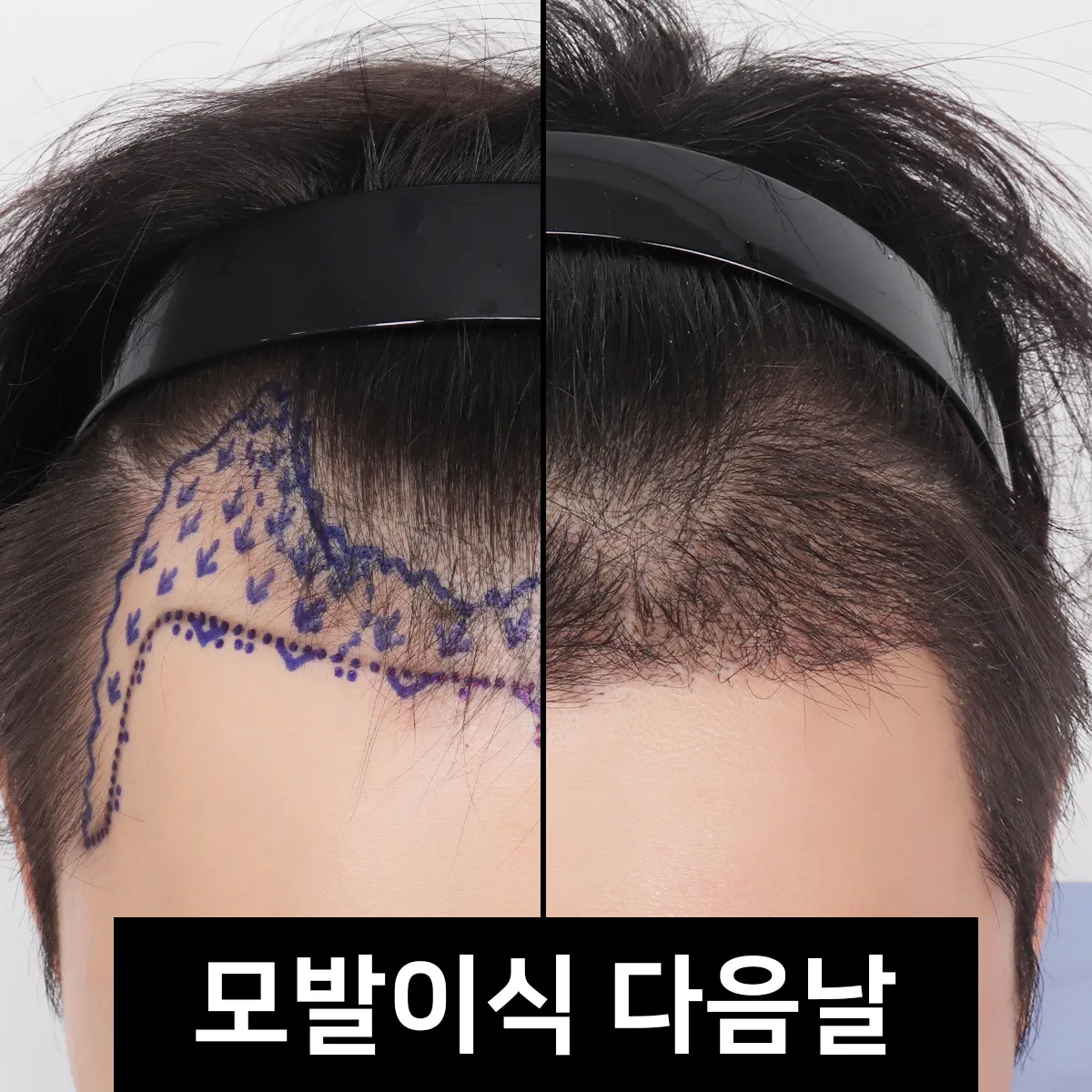
①The day after surgery, shampoo and disinfect. When surgery is performed with precision and perfection, recovery can be this quick.
②The first 48 hours after transplantation are the most critical period for the survival of transplanted hair follicles. Reapply the regenerative laser to enhance engraftment rates and further accelerate recovery.
blog
How to Recover Quickly
Learn more
10.The next day's appointment
①Mr. Kim Ji-hoon was amazed when comparing his before and after photos. Watching her take selfies with wonder while looking in the mirror, I too felt a sense of pride.
②I assured you that I would meticulously examine the surgical site and carefully monitor the transplanted hair until it fully grows in. Seeing the bright expressions on our patients' faces fills me with gratitude and a sense of fulfillment as a doctor.