



Which hair loss medication is the most effective?
Dermatologist / Doctor of Medicine
Maxwell Dermatology, Dr. Yoonwoo Noh
1.
Oral medication vs topical medication
Which is more effective?

2.
Types of Hair Loss Medications
Finasteride, dutasteride, as well as spironolactone, cyproterone acetate, flutamide, alfatradiol, etc.
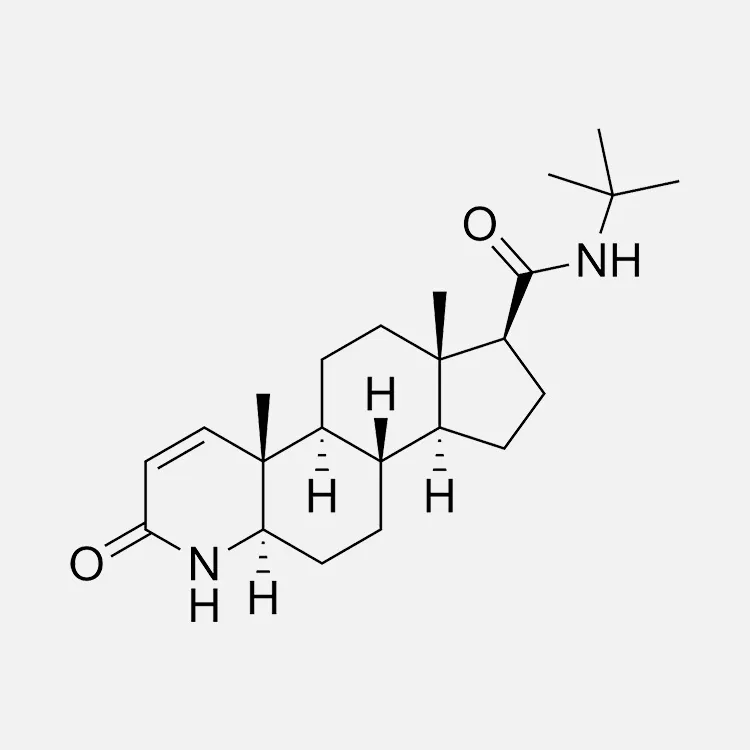
Finasteride
Average 71% inhibition of DHT production
Inhibits only 5-alpha reductase type 2
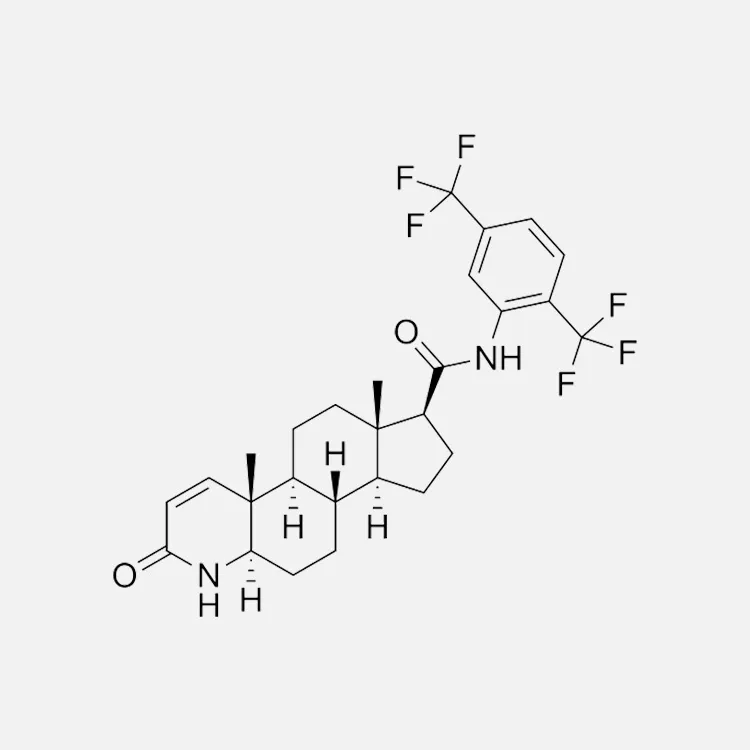
Dutasteride
Average 987% inhibition of DHT production
Inhibits both 5-alpha reductase type 1 and type 2
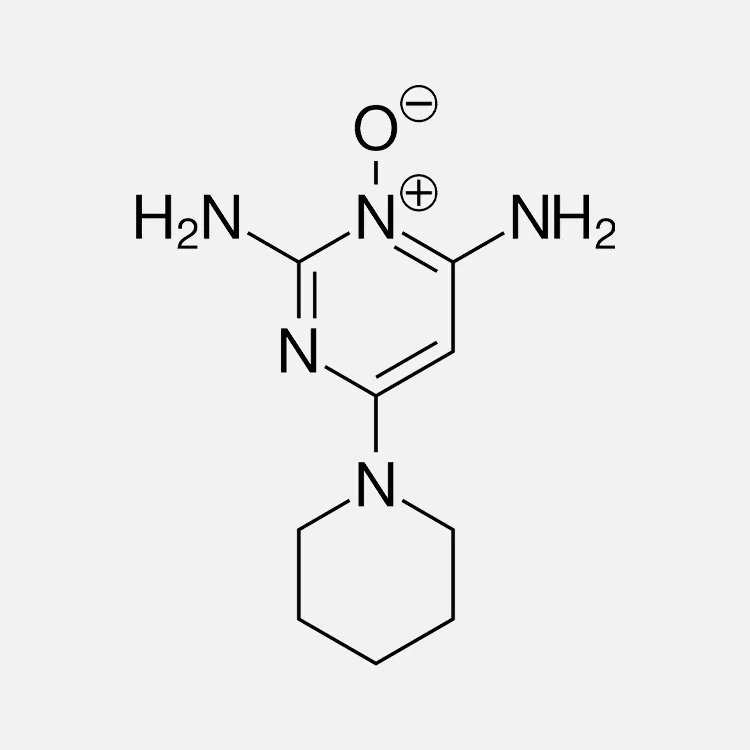
Minoxidil
Restore the shortened hair growth phase to its original cycle
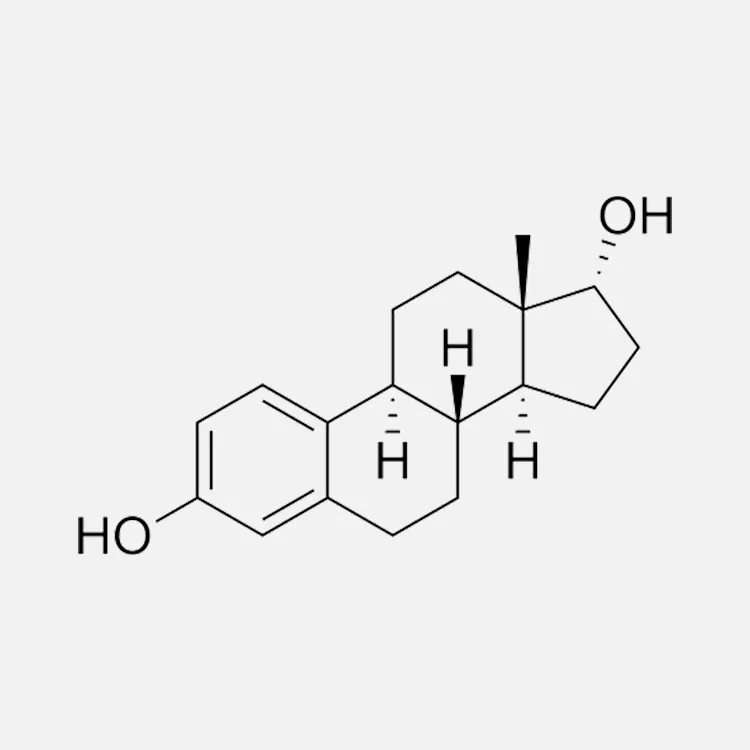
Al-Fathariol
A drug with a structure similar to estrogen that induces an increase in SHBG
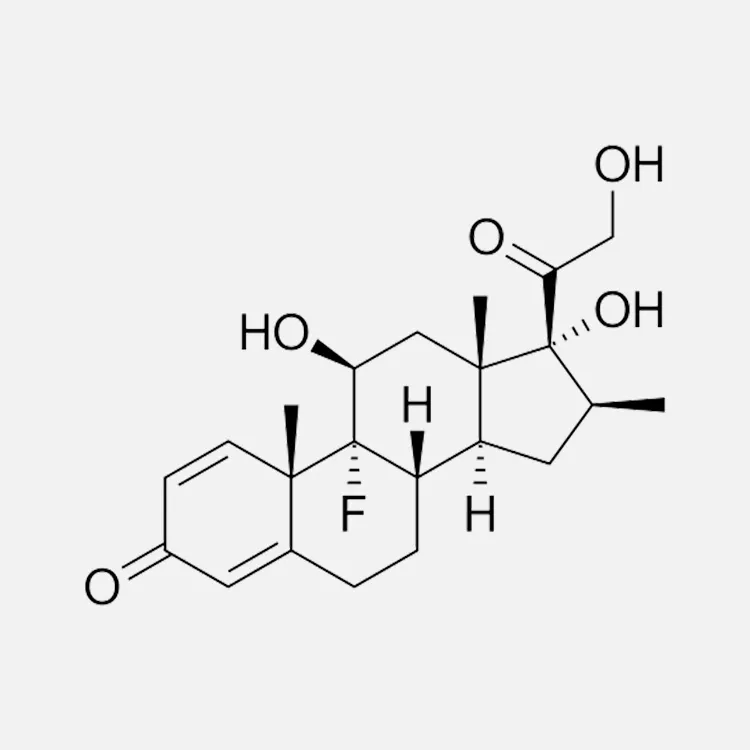
Betamethasone
Suppress inflammatory responses
3.
Which hair loss medication at
is right for me?
Maxwell Precision Diagnostics
Prescriptions for hair loss medications may require various combinations depending on the cause and symptoms.
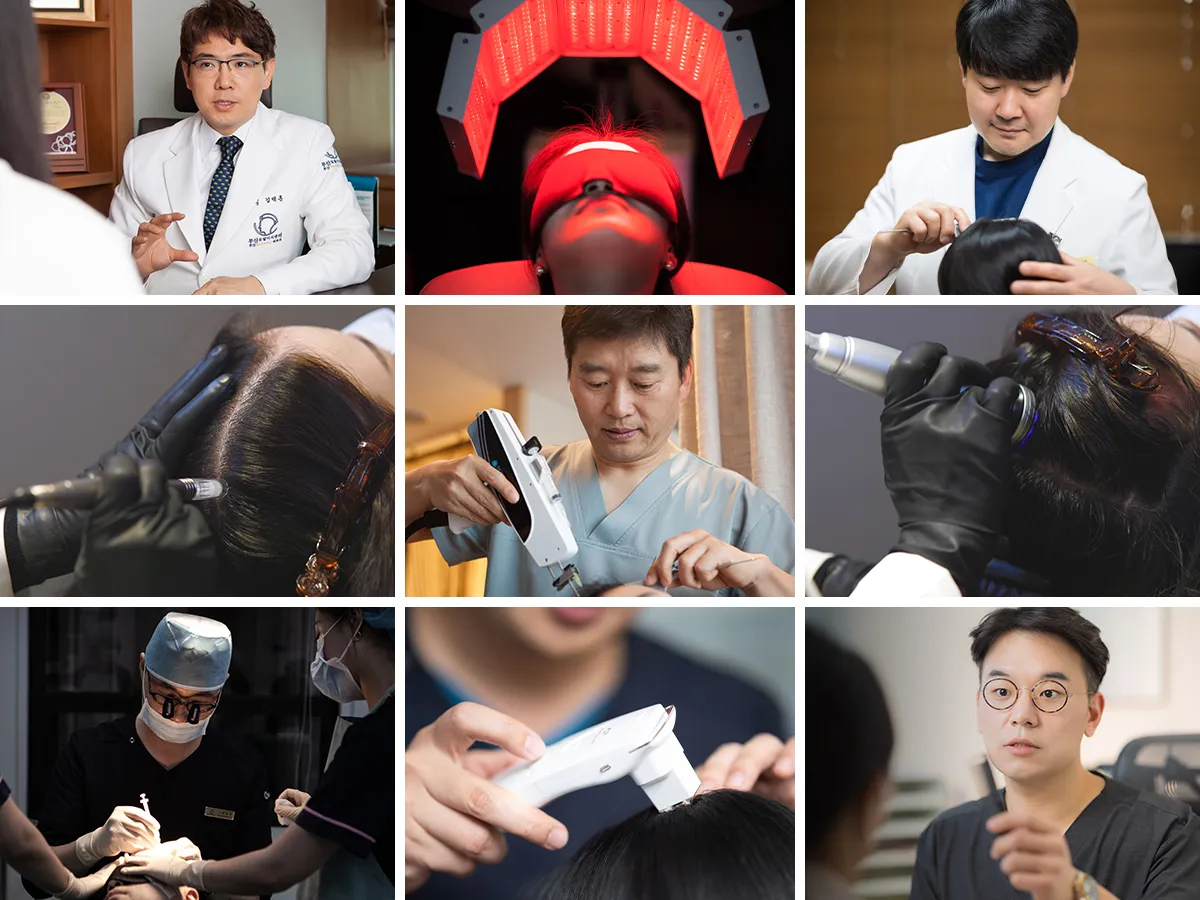

Medical history
Confirm the pattern, duration, accompanying symptoms, medical history, and family history of hair loss.
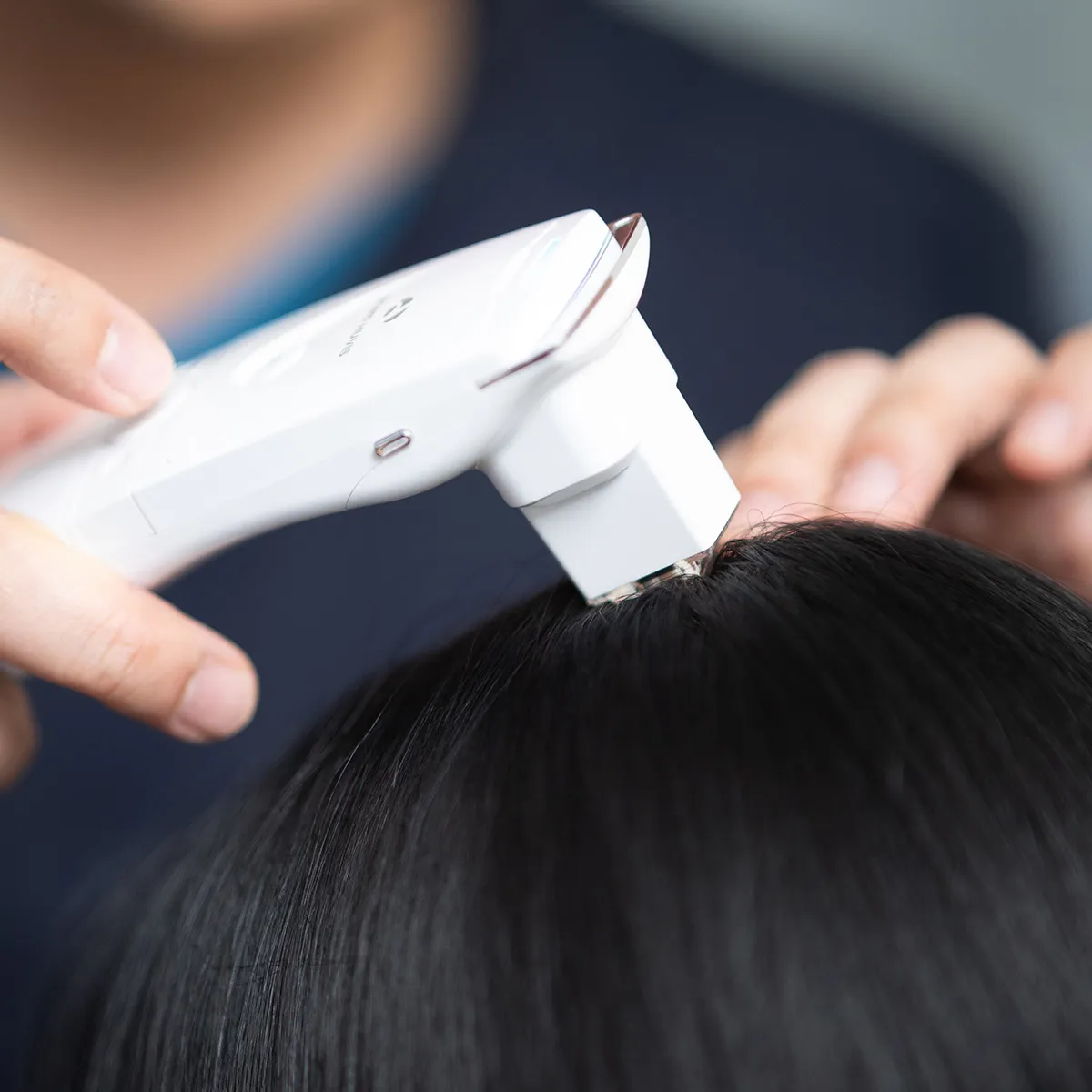
Hair Analysis
Check the scalp condition, hair density, and hair thickness.
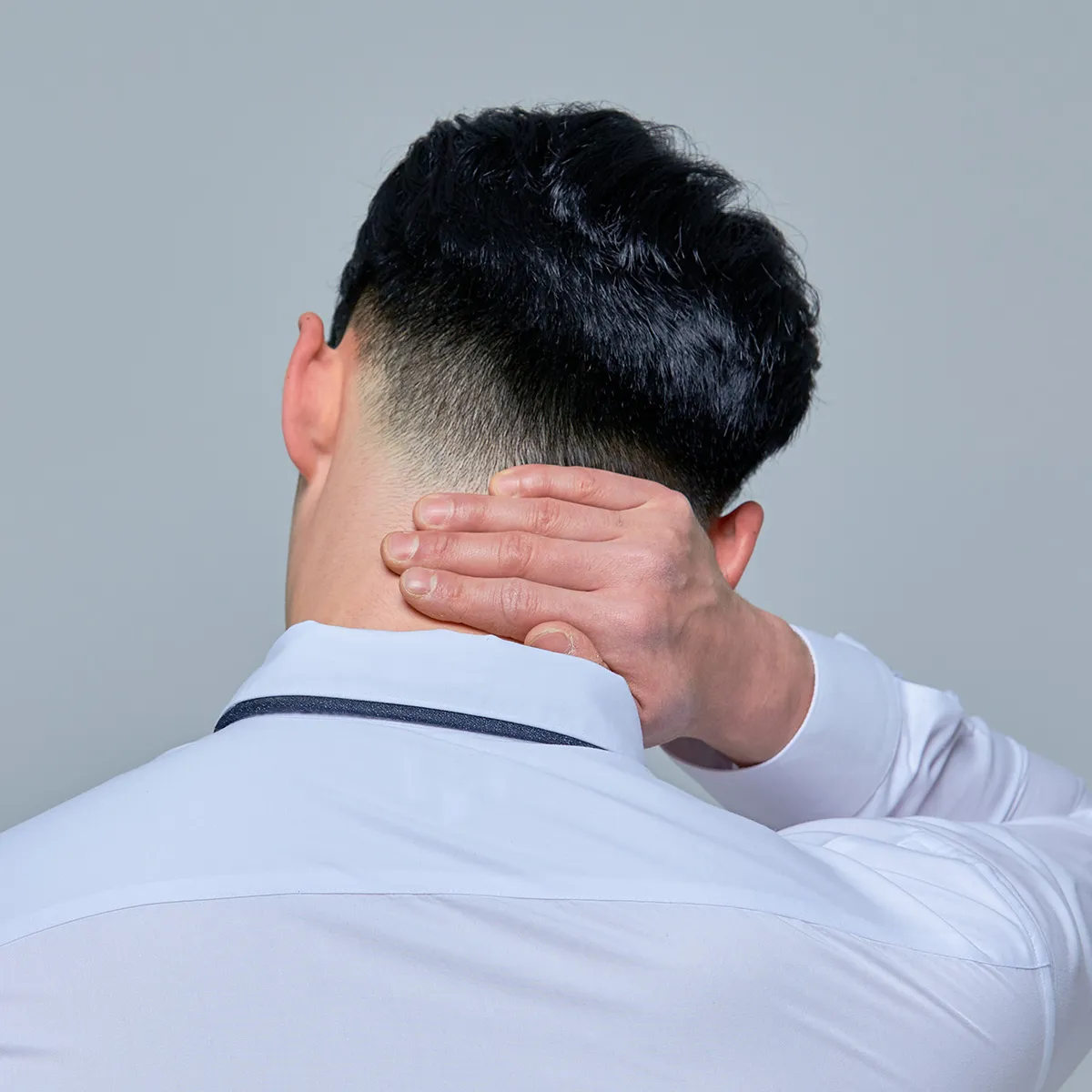
Stress Test
Assessing the level of physical, mental, and stress
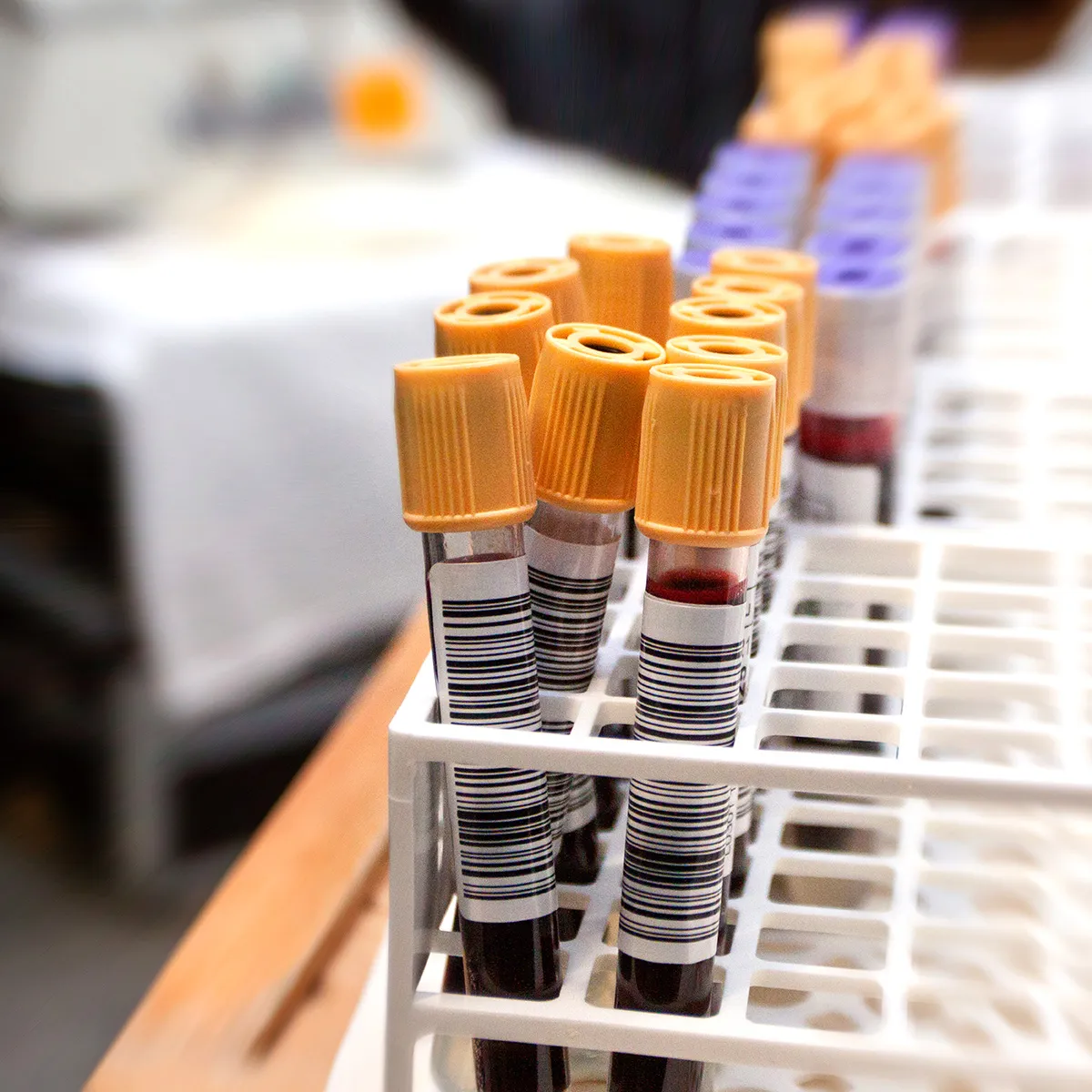
Blood test
Evaluate thyroid function, hormone levels, nutritional status, etc.
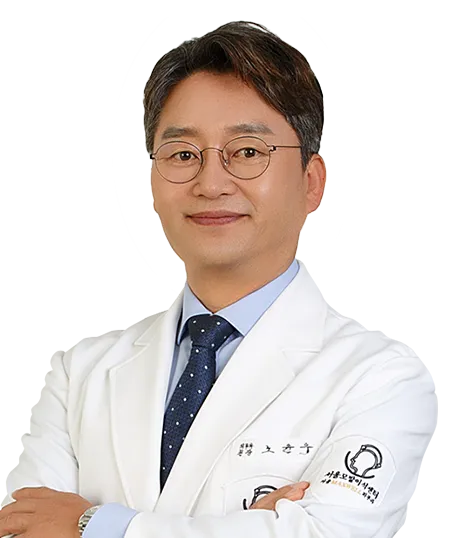
Dr. Noh Yun-woo's
Hair Loss Treatment Tip!

4.
Can hair loss medication help restore hair at
?
Hair loss medications can halt or slow progression, but it is difficult to restore areas where hair loss has already occurred.
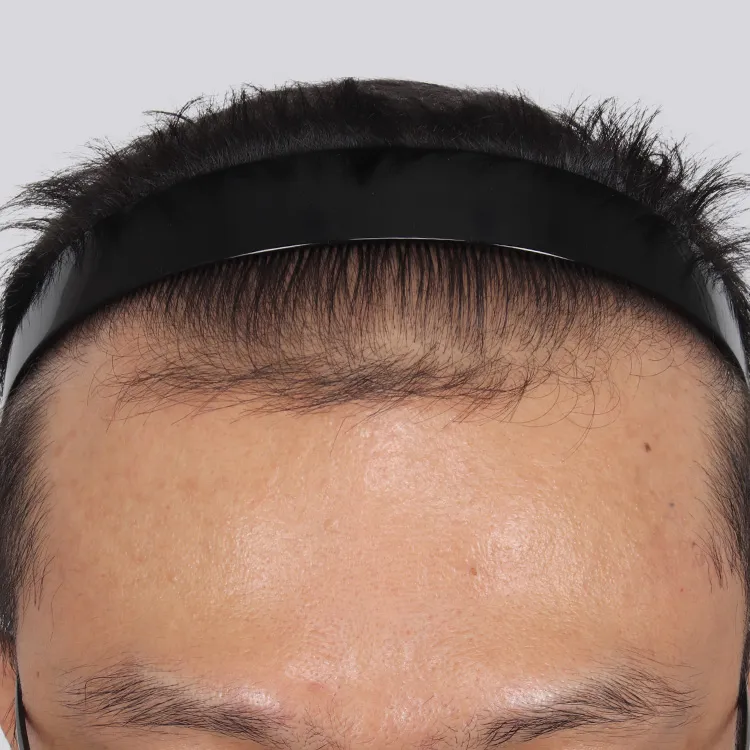
Before treatment
The hairline has receded in an M-shape, and the hair is thinning.
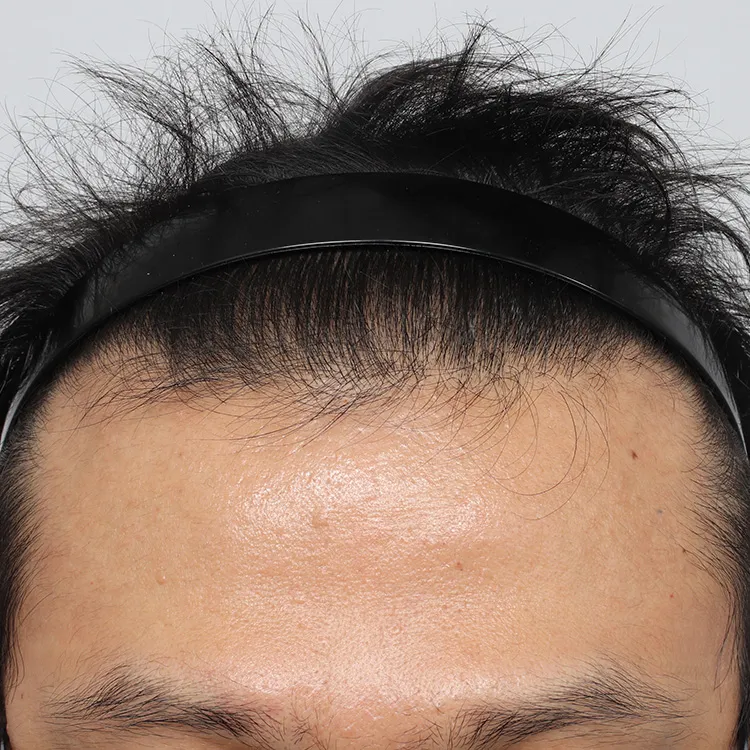
After 8 treatments
My thinning hair is thickening, and baby hairs are growing in.
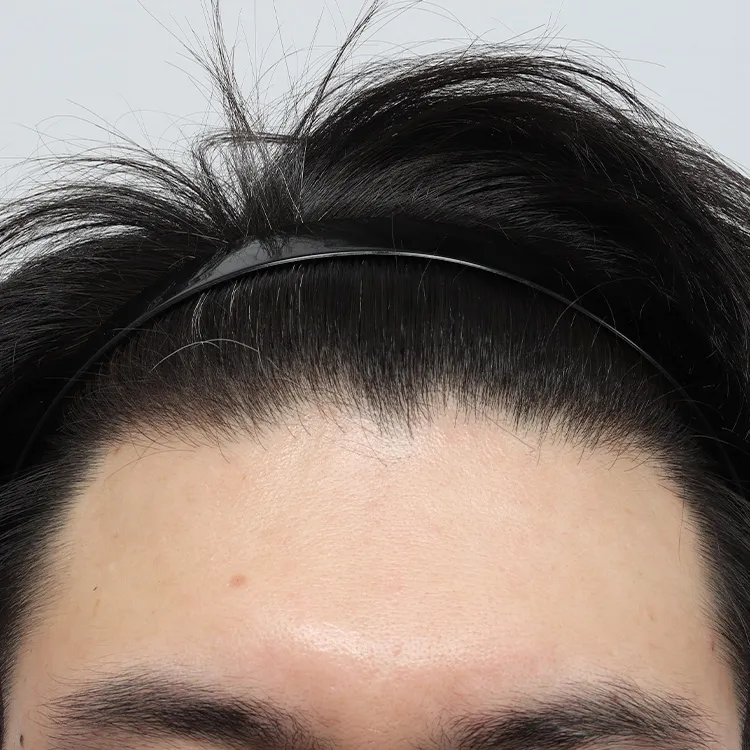
After 13 treatments
The hairline has recovered and is returning to its pre-hair loss state.
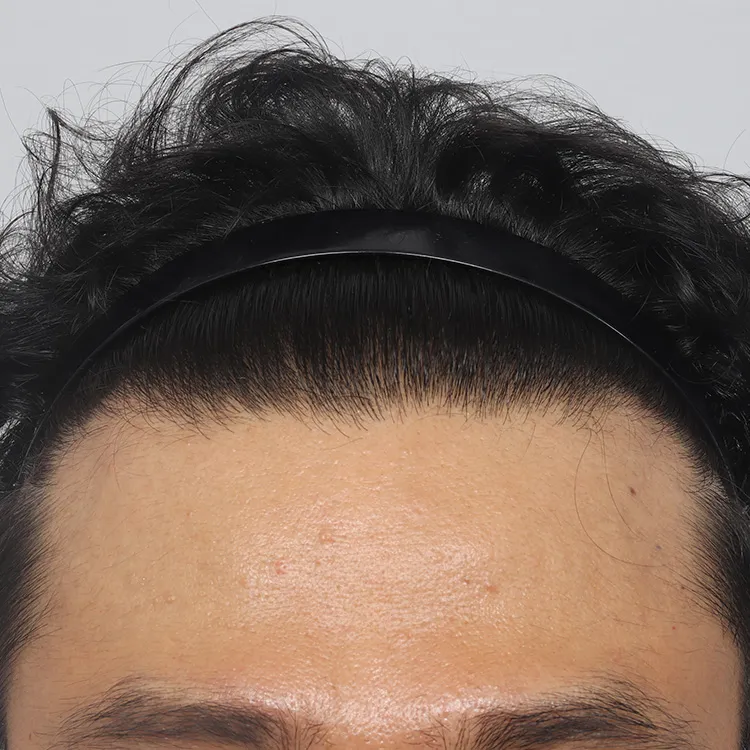
After 20 treatments
The hairline, thickness, density, volume, and elasticity have all been restored to a healthy state.
Dr. Noh Yun-woo's
Hair Loss Treatment Tip!
For hospital treatment, after about 8 sessions, you can feel the hair thickening at your fingertips.
5.
Meet the dedicated medical team at
who are serious about hair loss.
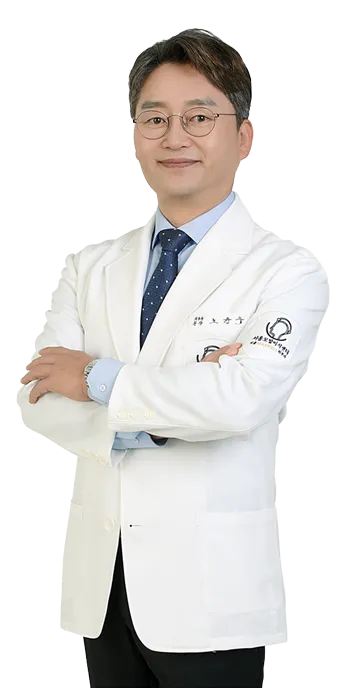

Dr. Noh Yun-woo, Chief Director
Doctor of Medicine
Dermatologist
Thoracic Surgeon
Top 1% of South Korea's Cosmetic Surgery Specialists
The Best of the Best Hair Transplant Specialist
U.S. Hair Transplant Specialist
Director of the Korean Hair Research Society

Director Lee Seung-jong
Plastic Surgeon
Graduated from Yonsei University College of Medicine
Visiting Professor, Department of Plastic Surgery, Severance Hospital
Member of the Korean Hair Restoration Society
Full Member of the Korean Society of Plastic Surgeons
Full Member of the Korean Society of Craniofacial Plastic Surgery
UPMC Pittsburgh Medical Center Hospital Training Program
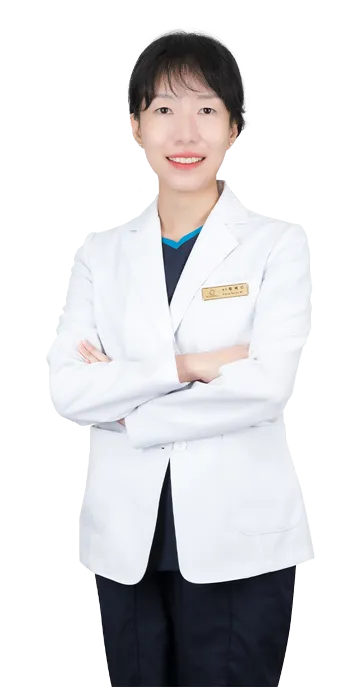
Director Hwang Hye-jin
Specialist
Completion of Residency at Chungnam National University Hospital
Obtaining Specialist Certification at Chungnam National University Hospital
Full Member of the Korean Hair Restoration Society
Lifetime Member of the Korean Laser Dermatology and Hair Restoration Society
Former Director of Eco Hwang Clinic
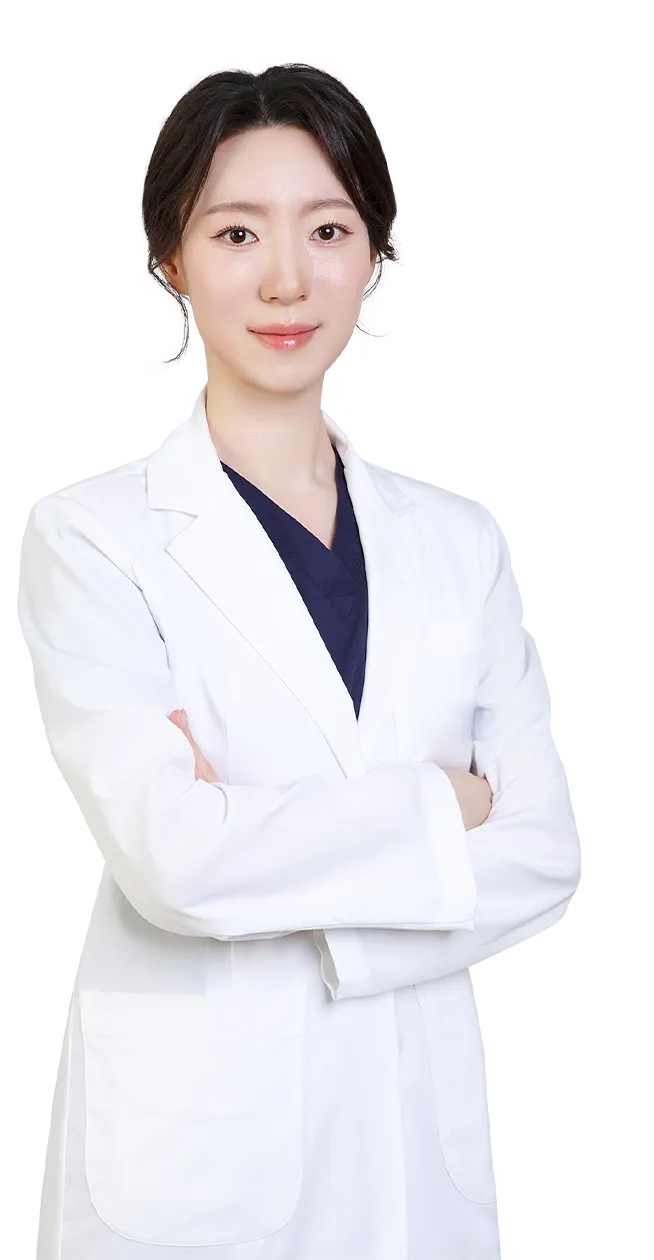
Director Jeong Su-jin
Specialist
Completion of Residency at Seoul National University Hospital
Completed Residency at Seoul National University Hospital
Graduated from the University of Pécs
Graduated from McMaster University
Full Member of the Korean Hair Restoration Society

Director Pyo Jong-hoon
Full Member of the Korean Hair Restoration Society
Full Member of the Asian Hair Restoration Society
Full Member of the European Hair Restoration Society
Full Member of the Japanese Society of Clinical Hair Transplantation
Full Member of the Korean Society of Aesthetic Plastic Surgery
Full Member of the Korean Society of Dermatology and Hair
Hair Loss Medication,
The 6 Most Frequently Asked Questions
Can I take multiple medications at the same time?
Some medications work better when taken together, while others must never be combined; therefore, they must be prescribed with caution.
Would a generic version be okay?
Generic drugs are safe, but their effectiveness varies between 80% and 125% of the original. We will prescribe the most cost-effective generic among over 100 available options.
Do I really need to get hospital treatment?
Self-treatment can prevent further hair loss, but areas already affected require treatment to restore them.
When will the effects of hospital treatment become apparent?
Generally, you can see results after about 10 sessions.
20-Session Treatment Review for Crown Hair LossWhy am I losing my hair when I'm still young?
Hair loss beginning in one's 20s or 30s is likely caused by diverse and complex factors beyond genetics and aging, such as hormonal imbalances, thyroid disorders, metabolic diseases, and accelerated aging. Accurate diagnosis is essential.
Should I get it treated? Or should I get a transplant?
Some hair loss can be effectively managed, while other types require transplantation. Discover the difference now.
Hair Loss Treatment vs. Hair Transplant: Which is More Effective?